Post-Flood Drying in Houston, TX 77069
Wet framing, trapped humidity, and soaked insulation can keep a Houston property damp after floodwater leaves. Our emergency drying service Houston team handles crawl space drying and post-flood moisture concerns with practical local care.
How It Works
Getting the services you need is simple, fast, and completely hassle-free. We handle the heavy lifting so you don't have to.
1. Request a Quote
Call us or fill out our online form. We provide transparent, upfront pricing with no hidden fees.
2. Schedule Service
Choose a date that works for you. We offer flexible scheduling and on-time reliable delivery.
3. Job Done
We handle the delivery, service, and prompt pickup. You focus on your project, we handle the rest.
Services We Offer in Houston
Explore our full range of professional services — each tailored to meet your specific needs with quality and reliability.
Post-Flood Drying
Post-Flood Drying clears moisture from homes and commercial spaces, including crawl spaces and soaked framing. Typical jobs cost $3,000–$10,000, depending on access and standing depth.
Hardwood Floor Drying
Hardwood drying for leak-damaged floors, including a 2,400 CFM air mover setup. Typical jobs run $500–$2,000, based on access and affected square footage.
Flood Water Removal
Flood Water Removal handles burst pipe water extraction for homes, including soaked rooms and wet materials. Typical jobs run $500–$2,500, depending on access and water category.
Subfloor Drying
Subfloor drying covers wet plywood, joists, and crawl spaces, including 18-inch access areas. Typical jobs run $1,000–$4,000, based on moisture spread and equipment days.
Hurricane Flood Water Removal
Removes hurricane water, wet debris, and soaked materials for homes or commercial sites. Typical jobs run $3,000–$15,000, depending on access and flood depth.
Basement Flood Extraction
Basement flood extraction removes standing water from concrete rooms and finished spaces. Typical jobs run $2,000–$9,000, depending on access and water depth.
Emergency Structural Drying
Structural drying covers crawl spaces, wall cavities, and soaked framing. Typical jobs run $500–$2,500, based on access, equipment days, and damage scope.
Wall Cavity Drying
Wall cavity drying for homes and contractors uses moisture readings, Injectidry airflow, and concrete checks; typical jobs run $500–$2,500 based on access.
Storm Flood Extraction
Storm flood extraction clears homes and warehouses, including 2,000–3,000 CFM drying. Typical jobs run $3,000–$10,000 based on access and water depth.
Why Local Businesses & Homeowners Choose Us
We're committed to delivering exceptional emergency water extraction & drying in Houston with professionalism you can count on.
Licensed & Insured
Every job is backed by full licensing and insurance coverage for your complete peace of mind.
Fast Response Times
We understand urgency. Contact us and get a response within hours, not days.
Upfront, Transparent Pricing
No hidden fees, no surprises. Get a clear quote before any work begins.
4.9-Star Rated
Hundreds of satisfied customers in Houston trust us for reliable, professional service.
Experienced Professionals
Our team brings years of hands-on expertise to every project, big or small.
Satisfaction Guaranteed
We stand behind our work. If you're not happy, we'll make it right.
Ready to Get Started?
Call now for a free estimate in Houston. Same-day service available!
What Post-Flood Drying Symptoms Need Attention?
A property may look clean after floodwater removal while moisture continues moving through assemblies. Houston’s high humidity can support mold growth within 24–48 hours, so small changes deserve moisture testing.
-
Musty odor after a pipe burst: Hidden moisture can spread behind trim and insulation. Our team uses a thermal imaging scan and links affected rooms to wall cavity drying.
-
Soggy carpet that will not dry: Wet padding retains water beneath the surface and can damage subfloors. We perform moisture mapping and follow the Carpet and Rug Institute’s material guidance.
-
Standing water in a crawl space: Gulf moisture can keep low-clearance areas damp after storms. We assess access, use subsurface extraction where appropriate, and establish a documented dry standard.
-
Warped hardwood after a flood: Hygroscopic wood changes as moisture reaches its equilibrium moisture content. We measure boards against the 8–12% wood target before recommending repair or replacement.
If you notice musty odor, soggy carpet, or wet crawl-space conditions, contact Houston Water Damage Pros before secondary damage spreads. Our local crew understands conditions near Buffalo Bayou Park and Houston’s flood-prone areas.
What Happens During Four Drying Steps?
The first operational step is a site assessment that records water source, affected materials, access, and safety conditions.
-
Assess and classify: We document moisture, identify Category 1, Category 2, or Category 3 water, and photograph affected areas. Customers near Downtown Houston receive clear notes before equipment placement.
-
Extract remaining water: We remove standing water, saturated debris, and wet carpet materials. Water should generally be extracted during hours 1–24, while soaked carpet pad is discarded when necessary.
-
Set drying equipment: We place air movers and LGR dehumidifiers according to room size and psychrometric readings. Dedicated circuits for drying equipment prevent avoidable electrical interruptions.
-
Verify completion: We record daily readings until materials meet the dry standard. Wood commonly targets 8–12% moisture content, while concrete targets under 4%; drying may take 3–5 days often.
Our crew can connect the work with Post-Flood Drying and related extraction when the property needs both services. Houston Water Damage Pros provides 24/7 dispatch after an emergency call, with equipment planning suited to local access.
Why Hire Professionals for Flood Drying?
After flooding near Memorial Park, a household shop vacuum cannot show whether moisture remains below flooring or inside walls.
- Code awareness: We document drying conditions under the IICRC S500 water damage restoration standard and identify when City of Houston building permits may affect tear-out or rebuilding.
- Correct sizing: An LGR dehumidifier and properly placed air movers control temperature, humidity, and moisture more reliably than household fans. Right-sizing also reduces unnecessary rental days.
- Safer handling: Category 3 black water requires restricted access, appropriate PPE, and controlled disposal. Our crew separates contaminated materials and can coordinate Category 3 Water Extraction.
- Clear value: We provide scope-based quotes tied to square footage, water category, access, material damage, and drying duration. That approach helps property management companies and homeowners avoid paying for equipment the structure does not need.
FEMA flood zone maps and NFIP flood insurance records may support claim documentation, but they do not replace physical moisture readings. Our team supplies measured job records for a practical recovery file.
What Should You Prepare Before Drying?
A flood-damaged owner can make the first visit more efficient by documenting rooms before moving contents or removing materials.
Photograph water lines, damaged flooring, outlets, appliances, and visible debris. Note approximate room dimensions, the water source, when flooding stopped, and any areas where high humidity remains.
Keep pathways open for equipment dollies, protect pets, and identify working electrical circuits. Our crew uses psychrometric drying goal calculations, moisture mapping, and daily drying progress photos to connect equipment placement with measurable results.
Do not discharge contaminated water into streets or storm drains. The Houston stormwater illegal discharge ordinance and EPA Clean Water Act discharge limits can affect disposal; we route extracted water appropriately.
For post-flood work, the IICRC S500 water damage restoration standard supports documenting affected materials and drying verification. Share access limits, insurance contacts, and prior repairs when requesting a scope review for flood water removal.
Which Flood Drying Services Fit Your Property?
Flood recovery often involves more than surface cleanup, especially around Houston neighborhoods affected by tropical systems and heavy rain.
- Standing Water Removal: We pump and extract remaining water from living areas, garages, and lower structures before drying begins.
- Crawl Space Water Removal: We address damp soil, insulation, and framing in restricted spaces, including areas with limited clearance.
- Hardwood Floor Drying: We measure moisture movement in wood and assess whether controlled drying can limit replacement.
- Wall Cavity Drying: We use targeted access and air movement to dry enclosed wall spaces instead of removing unnecessary materials.
- Carpet Water Extraction: We extract wet carpet, evaluate the pad, and coordinate replacement when saturation makes reuse unsuitable.
- Sewage Backup Extraction: We isolate Category 3 contamination, restrict occupant access, and coordinate safe debris handling.
The ANSI/IICRC S520 mold standard helps guide post-drying mold concerns, while HEPA air filtration can control airborne particles during selected work. Houston Water Damage Pros can pair these services with Emergency Structural Drying after a flood.
Water Damage Restoration Pricing
A Houston homeowner may need a limited carpet cleanup, while a concealed-space loss may require specialized access and extended monitoring.
- Carpet-only extraction: $250–$900 room count, carpet type, and the amount of water present.
- Crawl space drying: Pricing depends on access; an 18-inch clearance can affect technician access, hose placement, and inspection time.
- Drying equipment: An LGR dehumidifier may remove 70–130 pints per day, with equipment needs based on the affected area and indoor conditions.
- Contents and surface cleanup: Costs vary with furnishings, floor coverings, debris, and cleaning requirements.
- Commercial or multi-area losses: Scheduling, access restrictions, and occupied-space requirements can affect the total.
Estimates vary; final quotes depend on the affected materials, site conditions, and work required. Our team explains extraction, access needs, equipment placement, cleaning, and follow-up work before approval.
For a measured price review, call Houston Water Damage Pros at (321) 361-4577 or ask for a written scope. Commercial Water Extraction may be appropriate when flood damage affects offices, restaurants, or other operating spaces.
Frequently Asked Questions
Got questions about emergency water extraction & drying in Houston? We have answers.
Can Post-Flood Drying help if my HOA limits equipment access?
Yes, Post-Flood Drying can be planned around HOA access windows, elevator rules, parking limits, and occupied-home concerns. We document affected rooms, use daily moisture readings, and coordinate quieter equipment when practical, while FEMA flood zone maps may help organize insurance records.
What should I photograph before scheduling Post-Flood Drying?
Photograph water lines, flooring, walls, contents, debris, outlets, and every affected room before moving materials. Include room dimensions, access restrictions, the water source, and any soggy carpet that will not dry so our team can prepare moisture mapping and a more accurate scope.
Does Post-Flood Drying require permits or special code checks?
Post-Flood Drying may require code review when wall removal, reconstruction, electrical work, or structural changes are involved, while drying itself follows the IICRC S500 water damage restoration standard. For contaminated water, OSHA 29 CFR 1910.120 HAZWOPER sewage work and TCEQ sewage pump-out disposal rules help guide worker protection and disposal.
When should Post-Flood Drying be combined with water extraction?
Post-Flood Drying should be combined with Emergency Water Extraction & Drying when standing water, wet insulation, wall cavities, or soaked subfloors remain after a flood. We may also add Subfloor Drying, crawl space work, or Category 3 Water Extraction when moisture or contamination reaches those areas.
What does completion look like after Post-Flood Drying?
Completion means documented moisture readings show affected materials have reached the agreed dry standard, with final photos and equipment notes available for the property file. Wood commonly targets 8–12% moisture content, and our team can coordinate a mold inspection after drying, antimicrobial fogging, or structural reconstruction when the scope calls for follow-up.
Meet Your Local Experts
Daniel Morales Lead Expert
Houston Water Damage Pros
"Fast Extraction, Measured Drying, Houston Ready"
I started in Houston property maintenance and moved into water restoration after seeing how Hurricane Harvey and Brays Bayou flooding damaged homes and small businesses. I learned that psychrometry, moisture mapping, and a clear dry standard matter as much as fast extraction, especially in Houston's high humidity. After the winter freeze from Uri in 2021, I built this company around careful burst-pipe response, wall cavity drying, and respectful service for local property owners.
Featured Work & Projects
Browse our recent jobs and quality workmanship for customers across Houston.
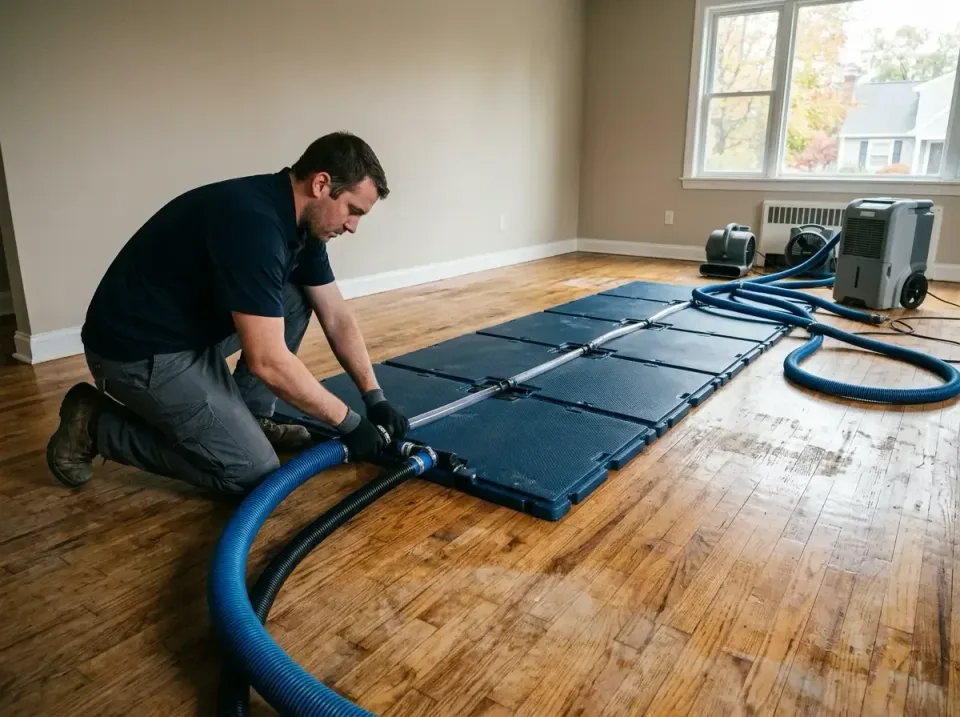
Restoration Technician — Residential Interior
Complete on-site emergency water extraction & drying execution
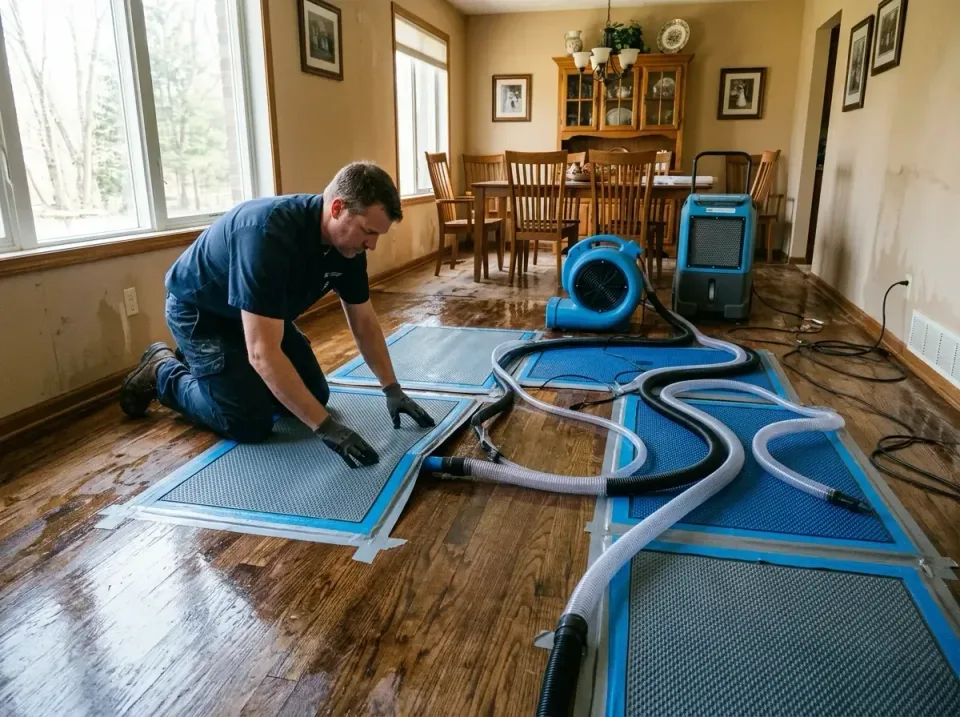
Restoration Technician — Residential Interior
Same-day delivery and flexible scheduling
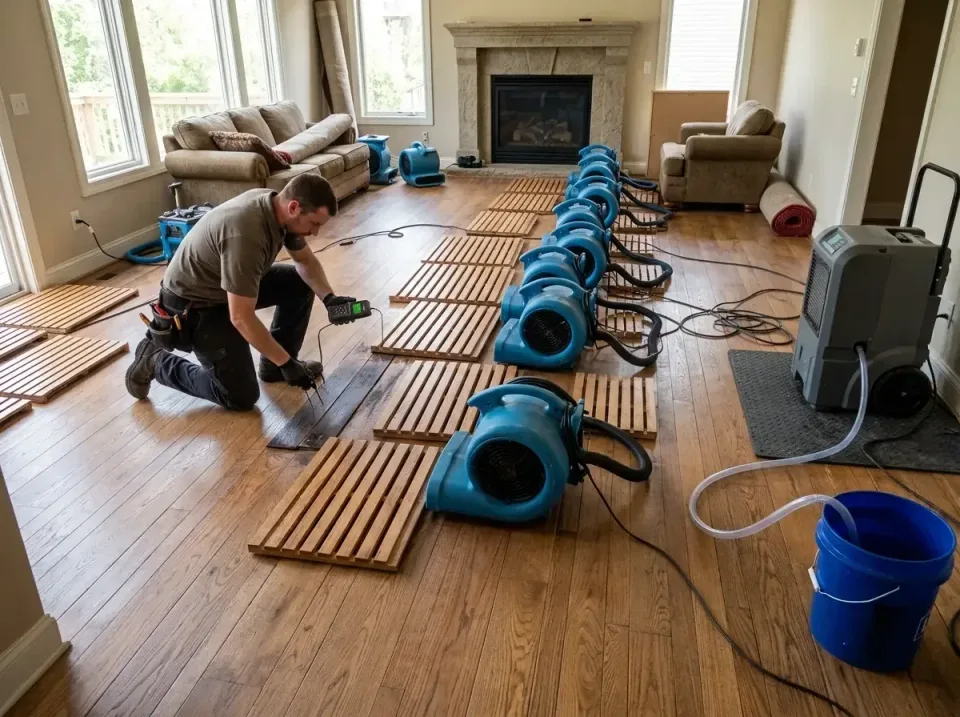
Technician — Water Damage Restoration
Heavy-duty equipment placement and prompt pickup
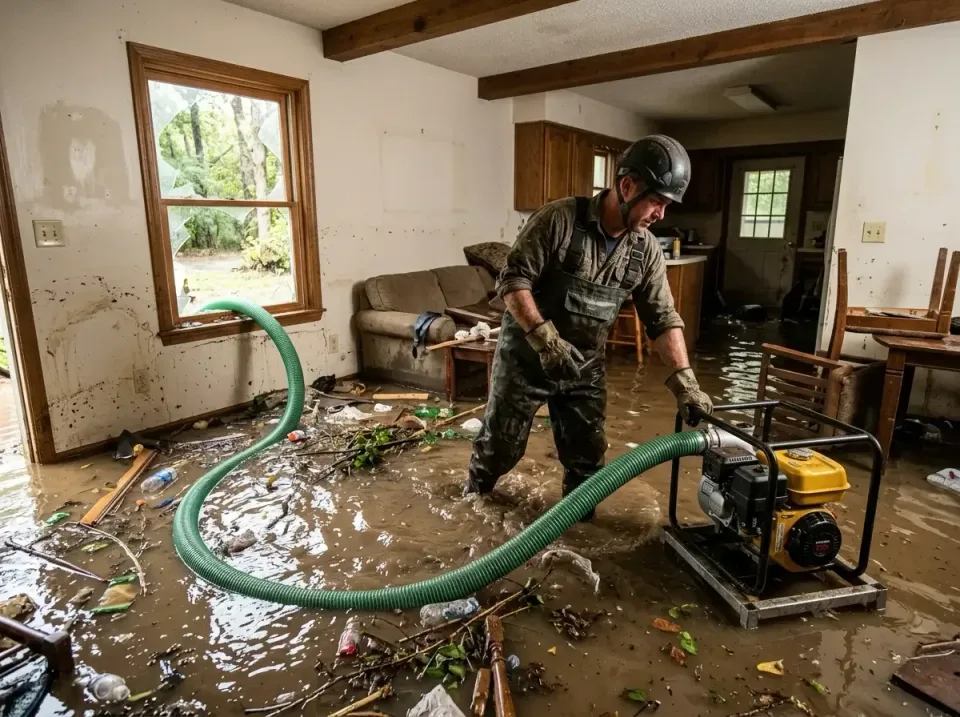
Water Pump — Water Damage Restoration
Custom service setup tailored to site needs
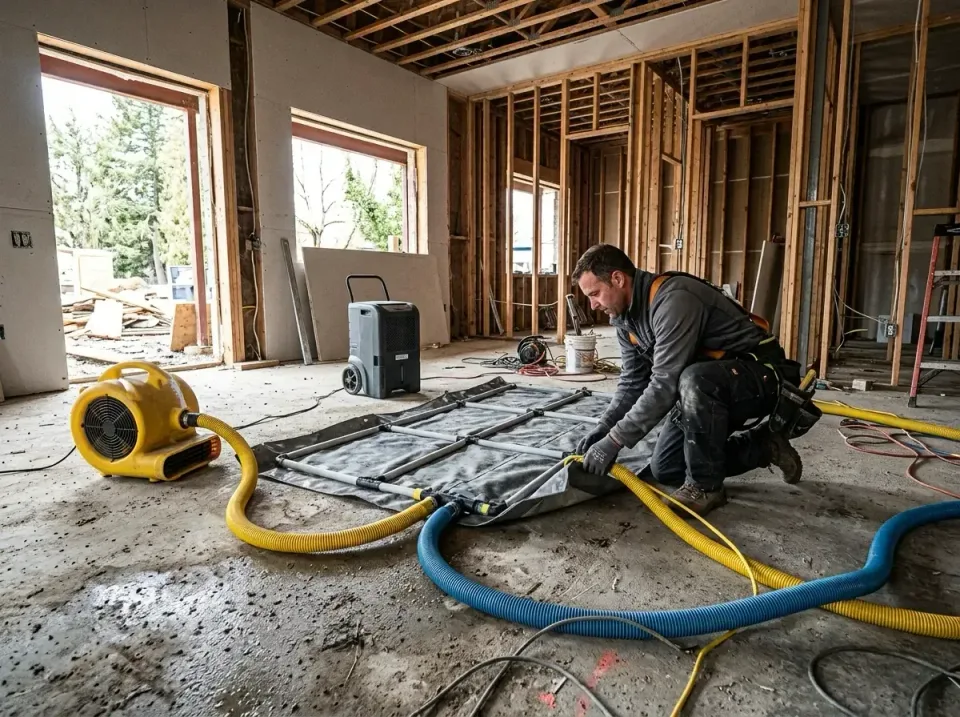
Air Mover — Construction Site
Event-ready restroom and sanitation deployment
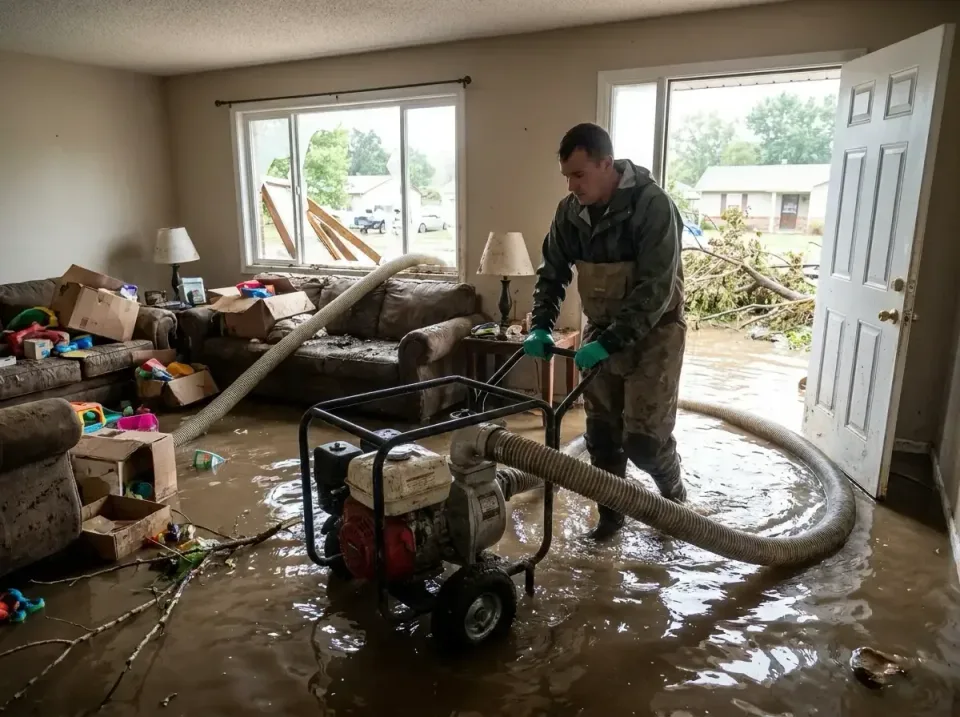
Portable Water Pump — Flooded Living Room
Construction site service with reliable maintenance
Get Your Free Quote Today
Fast response · No obligation · Transparent pricing
Call now or request a quote online. We'll have your units scheduled and delivered within 24 hours.
Where We Serve
Emergency Water Extraction & Drying available across Houston and nearby communities.