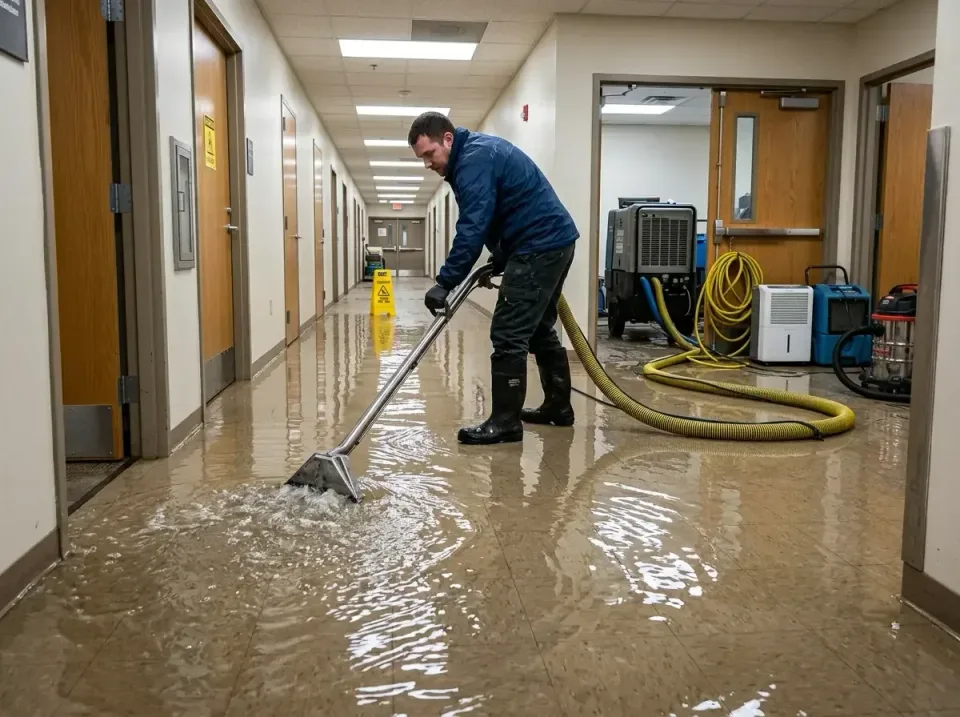
Emergency Water Extraction & Drying · Houston
Hurricane Flood Water Removal in Houston, TX 77009
Floodwater can leave a home with contaminated silt, soaked flooring, and Category 2 gray water long after the storm passes. Houston Water Damage Pros provides the local crew for storm extraction, with a clear path toward a standing water removal quote Houston homeowners can understand.
- 4.9 from 7,654 reviews
- 24/7 emergency line
- Serving since 2001
- IICRC Water Restoration Technician (WRT) training
- IICRC Applied Structural Drying (ASD) training
What Shows Hurricane Flooding Needs Extraction?
After a Houston storm, water may recede while flooring, wall cavities, and crawl spaces remain wet. Standing water in crawl space areas can continue feeding moisture into the home.
-
Persistent Crawl Space Water: Gulf moisture and trapped water support secondary damage after initial wetting. Our team balances evaporation against dehumidification during crawl space water removal.
-
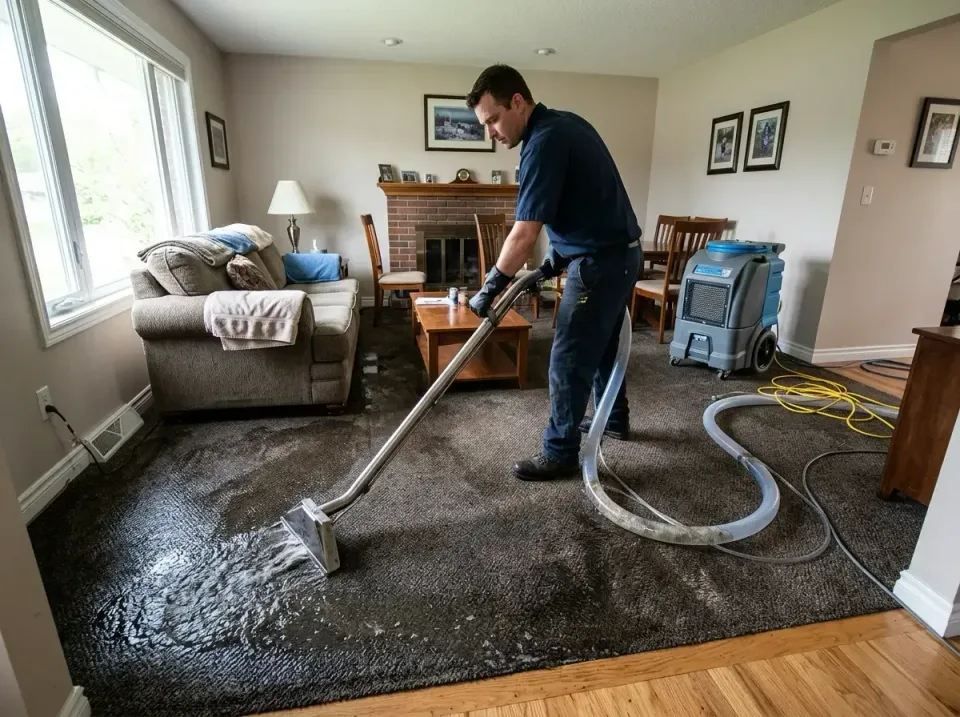
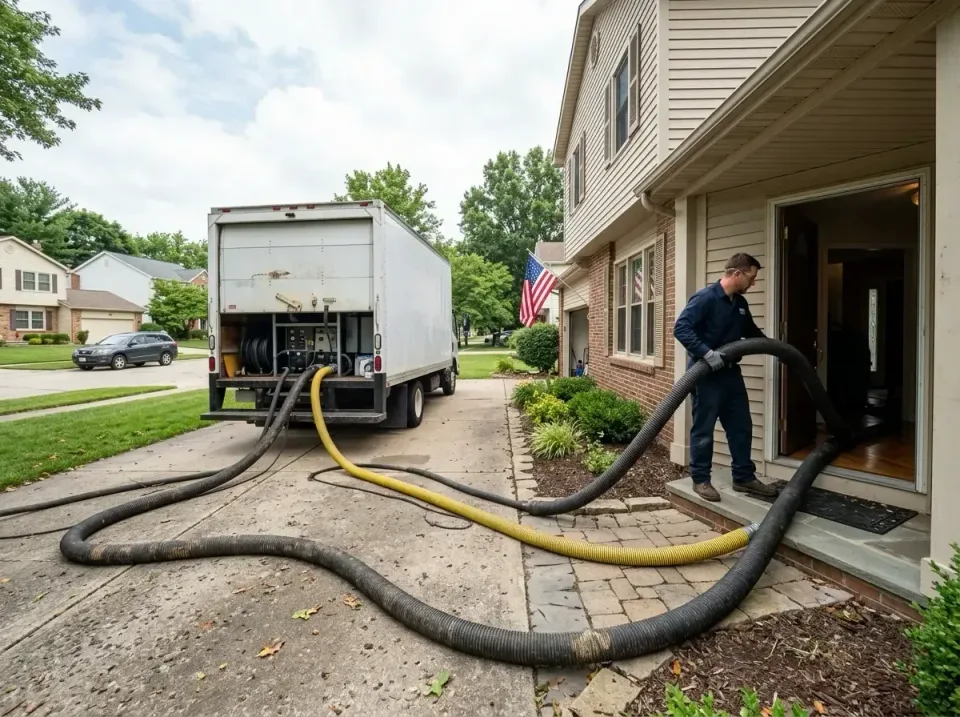
Wet Carpet That Stays Heavy: Soggy carpet can hide saturated padding and contaminated residue. We perform truck-mount extraction when its higher GPM capacity suits the area, then document remaining moisture.
-
Bubbling Paint or Soft Drywall: Wet finishes may indicate water migration through building assemblies. Moisture mapping identifies affected wall sections before controlled removal and drying.
-
Musty Air After Flooding: High humidity can support mold growth within 24–48 hours. We follow ANSI/IICRC S500 guidance, use HEPA air filtration when needed, and coordinate follow-up inspection.
If you notice crawl-space water, wet carpet, or persistent odor, contact Houston Water Damage Pros before hidden moisture spreads through connected materials.
How Does Houston Flood Extraction Finish?
The first operational step is a 24/7 dispatch review covering water depth, access, occupancy, and immediate safety concerns.
-
Site Triage: Our crew confirms the affected rooms, classifies the water, and routes equipment access around Downtown Houston traffic and property restrictions.
-
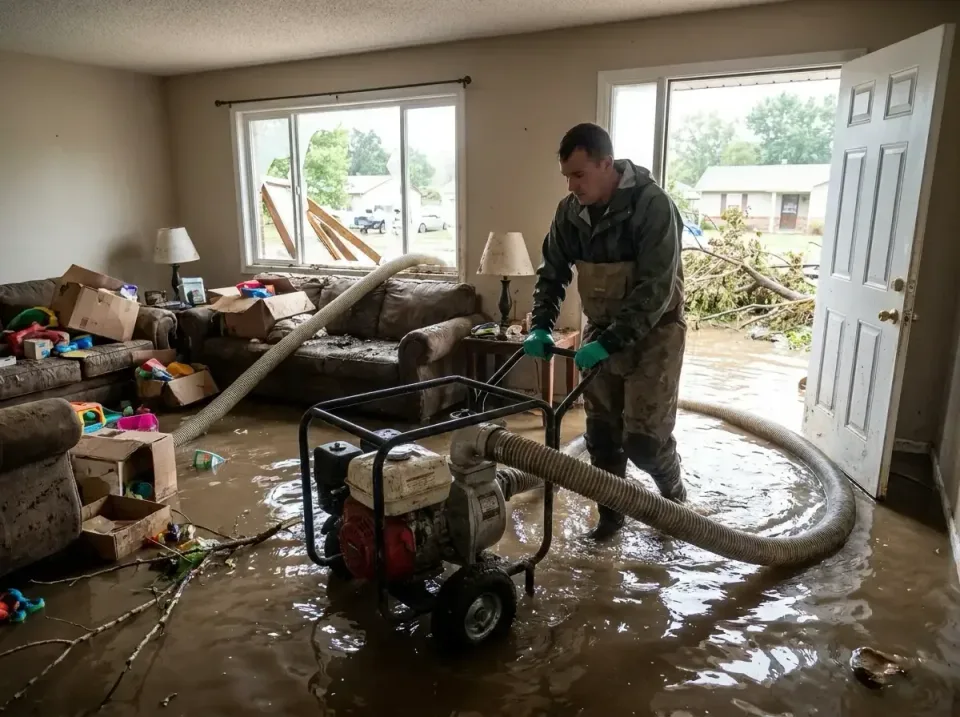
Water Removal: We place discharge hoses toward an approved drain and extract standing water during hours 1–24 whenever conditions allow. This limits material exposure before drying begins.
-
Structural Drying: Dedicated 15-amp circuits support dryers, while LGR equipment and air movers control humidity. Drying often takes three to five days, depending on materials and weather.
-
Completion Check: Daily readings compare wood, concrete, and wall assemblies against a documented dry standard. Our team explains remaining repairs and links customers to Post-Flood Drying when continued monitoring is needed.
For properties near Hermann Park, our 60-minute Houston emergency arrival target helps organize access without promising that every route or site will be immediately reachable.
Why Use Pros After Houston Hurricanes?
A flooded healthcare clinic near the Texas Medical Center cannot rely on household tools, improvised discharge, or incomplete records. Professional flood extraction protects occupants, documents conditions, and gives property managers a clearer repair path.
- Local Documentation: We help organize photos and scope notes for NFIP flood insurance claims, while FEMA flood zone maps can provide useful property context.
- Correct Equipment: A 2-inch pump, commercial extractor, LGR unit, or air mover is selected for water depth and building size. Oversized or undersized equipment can waste time and electricity.
- Safer Handling: Category 3 water requires restricted occupant access and appropriate protective practices. Our crew separates contaminated materials and coordinates Category 3 sewage disposal rather than sending wastewater improperly.
- Clearer Value: We right-size the work, explain access and drying factors, and provide an itemized quote. That approach helps customers compare fair scope instead of choosing a low figure that leaves moisture behind.
Our team can coordinate Standing Water Removal when floodwater remains in connected rooms or lower building areas.
What Should You Prepare Before Flood Removal?
Before scheduling flood removal, photograph waterlines, damaged rooms, flooring, appliances, and visible debris without entering unsafe areas. Note approximate depth, when the water arrived, and whether electrical systems remain energized.
Clear a safe route from the entry to affected rooms, but do not move contaminated materials through clean spaces. Share gate codes, parking limits, elevator rules, crawl-space access, and any occupants needing assistance.
Our crew uses a moisture meter, thermal imaging scan, and moisture mapping to build an accurate scope. Those readings can reveal wet subfloor layers even after surface water appears gone.
Houston flood recovery may involve the Harris County flood documentation process, insurance photographs, or a flood recovery program. Keep receipts and avoid discarding major materials until documentation is complete.
The IICRC S500 water damage restoration standard supports methodical extraction and drying records. Ask about Flood Water Removal when the affected area extends beyond one room.
What Does Hurricane Flood Removal Include?
Flood restoration Houston customers often need more than pumping visible water. Our crew matches each service to the material, contamination level, and property type.
- Carpet Water Extraction: We remove stormwater from carpet and assess padding using guidance associated with the Carpet and Rug Institute. Soaked pad is removed when cleaning cannot restore it.
- Crawl Space Water Removal: We address trapped water and damp insulation in low-clearance areas. Standing water should be extracted within hours 1–24 when safe access permits.
- Wall Cavity Drying: Injected air reaches concealed framing after floodwater enters wall assemblies. This helps prevent residual moisture behind paint and drywall.
- Hardwood Floor Drying: Moisture readings guide drying decisions for warped boards and subfloor layers. Our team avoids unnecessary replacement when controlled drying remains practical.
- Category 3 Water Extraction: Black-water conditions require restricted access, protective equipment, and careful debris handling. We coordinate contaminated material removal and disposal requirements.
City of Houston building permits may apply when drying leads to reconstruction or significant tear-out. See Emergency Structural Drying for connected building assemblies.
How Much Does Hurricane Flood Removal Cost?
A hurricane can affect several rooms, flooring types, and hidden assemblies at once. Final pricing reflects water category, square footage, standing depth, access, and the amount of drying required.
- Single-Room Extraction: $400–$1,200 square footage, flooring, and contamination determine the labor and equipment.
- Whole-House Burst-Pipe Work: $2,500–$8,000 water category, affected levels, and drying needs move the range.
- Basement Flood Job: $3,000–$10,000 standing depth, pump access, debris, and structural damage affect cost.
- Category 3 Sewage Cleanup: $4,000–$15,000 contamination class, protective controls, and disposal requirements drive the scope.
- Small Commercial Suite: $5,000–$20,000 after-hours access, business interruption, and the number of rooms influence the estimate.
These ranges help frame a conversation, not promise an exact bill. Estimates vary; final quotes depend on water category, square footage, and site conditions. Contact Houston Water Damage Pros at (321) 361-4577 for a final quote matched to the job scope, or review Hurricane Flood Water Removal.
Ready to get started?
Our line is open 24/7 in Houston.
Featured Work & Projects
Browse our recent jobs and quality workmanship for customers across Houston.
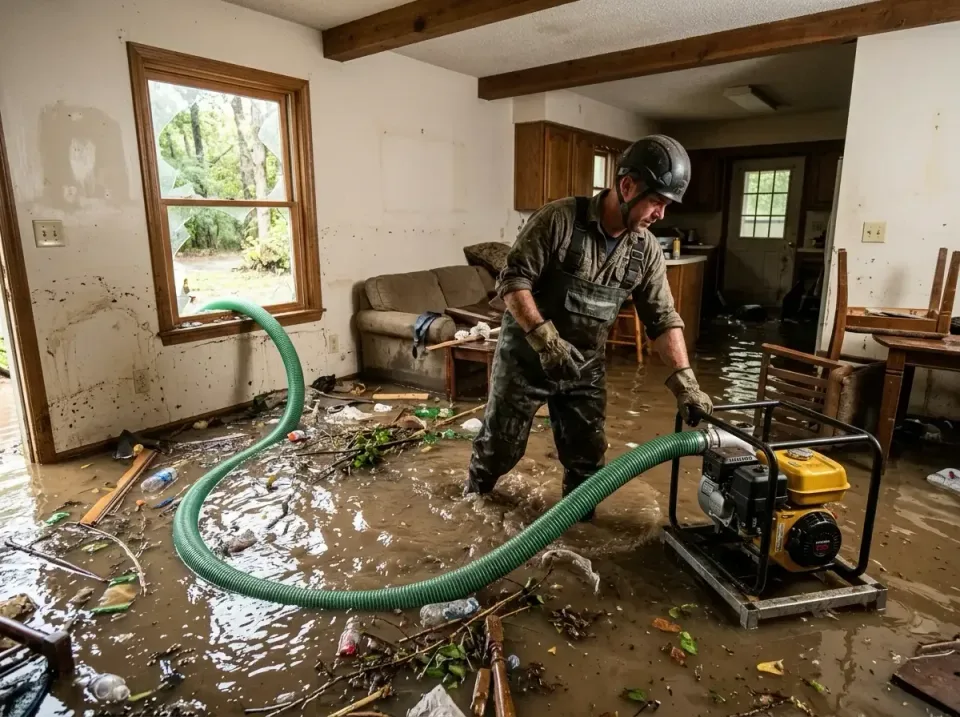
Water Pump — Water Damage Restoration
Portable Water Pump — Flooded Living Room
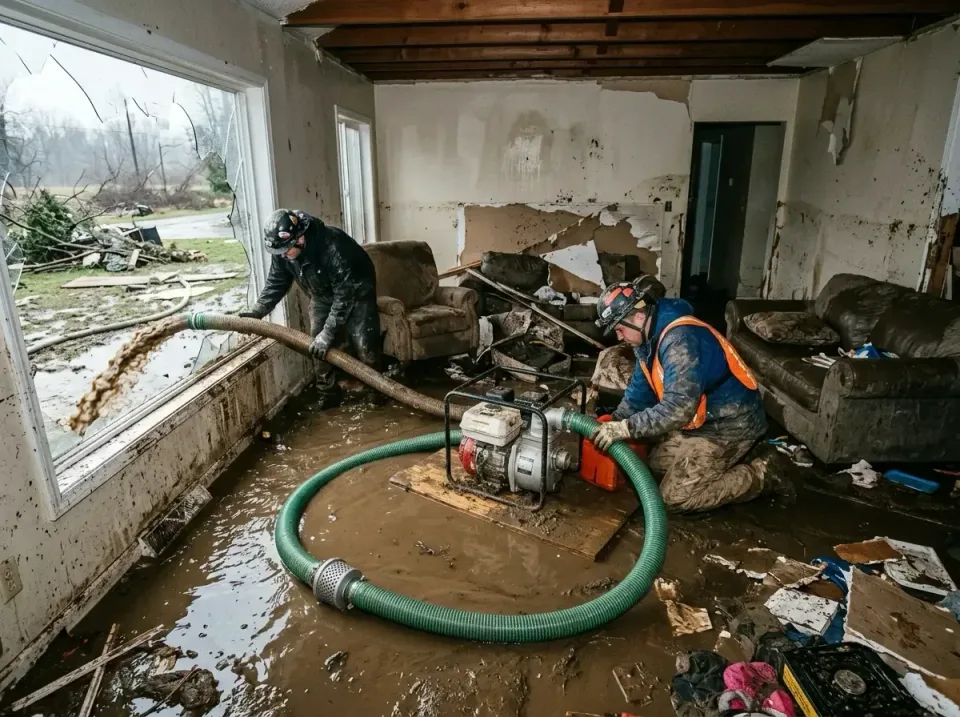
gas-powered Water Pump — Water Damage Restoration
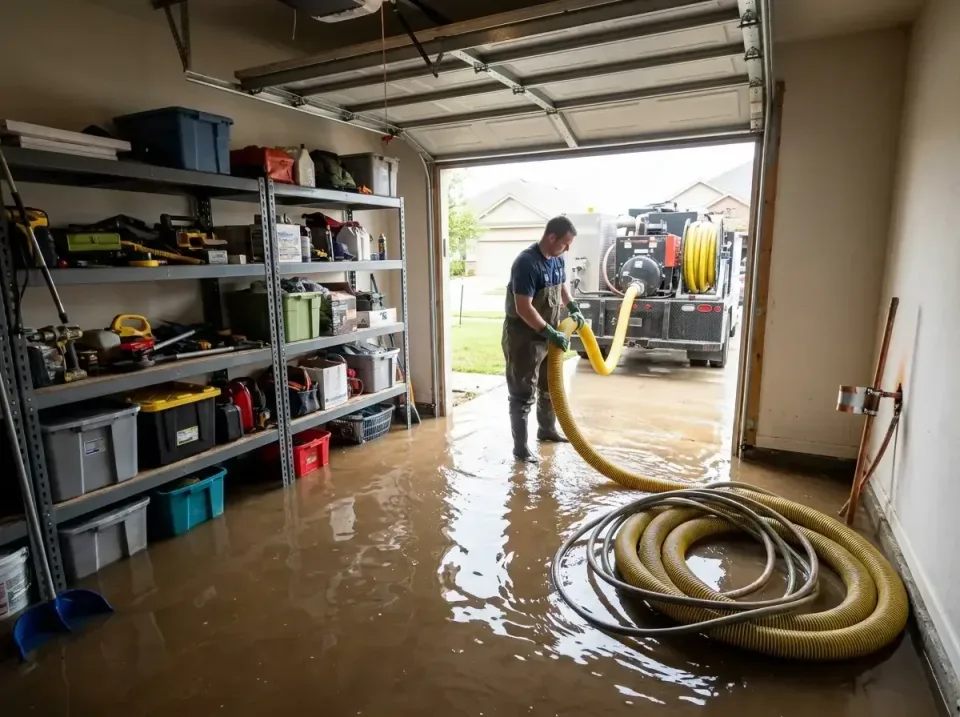
Technician — Water Damage Restoration
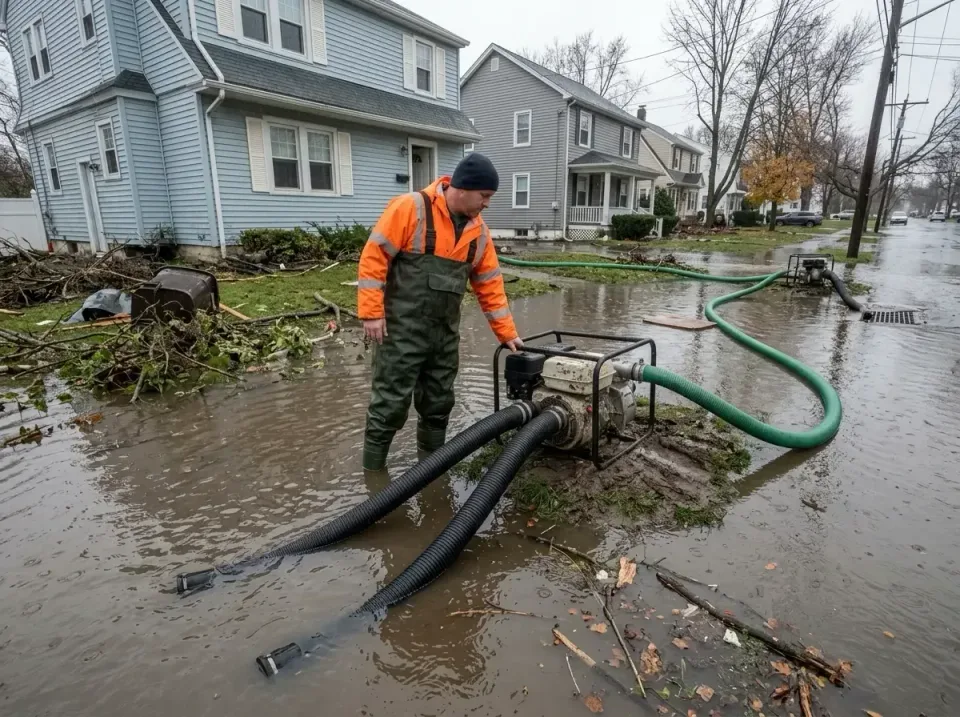
Water Pump — Residential Neighborhood
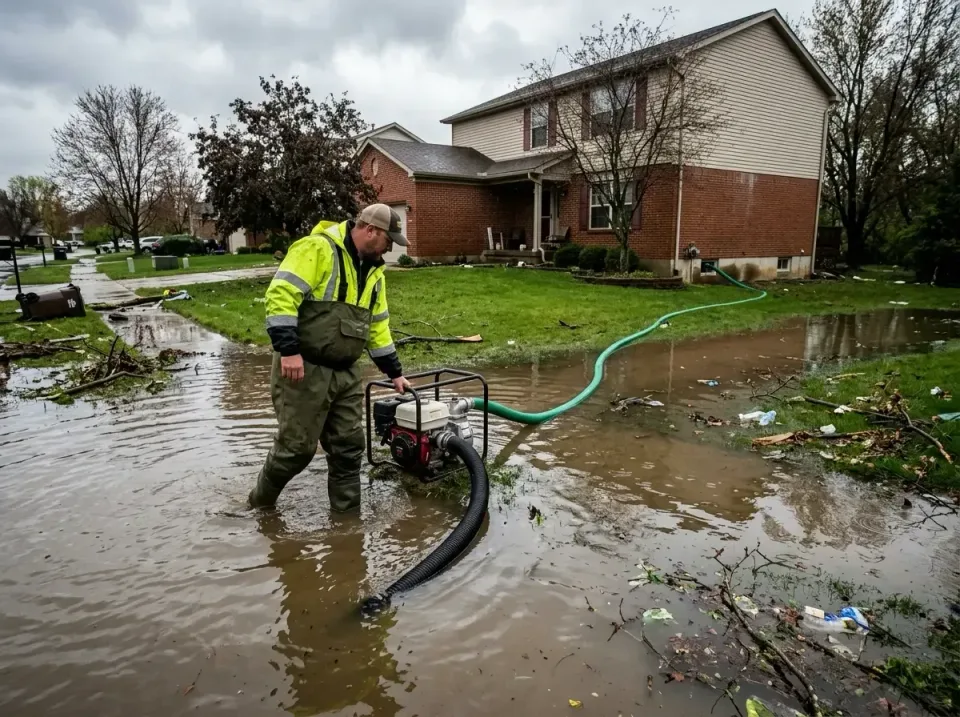
Technician — Outdoor
Services We Offer in Houston
25 services for homes and businesses in Houston. Pick one to see what the job involves.
Hurricane Flood Water Removal
Removes hurricane water, wet debris, and soaked materials for homes or commercial sites. Typical jobs run $3,000–$15,000, depending on access and flood depth.
Flood Water Removal
Flood Water Removal handles burst pipe water extraction for homes, including soaked rooms and wet materials. Typical jobs run $500–$2,500, depending on access and water category.
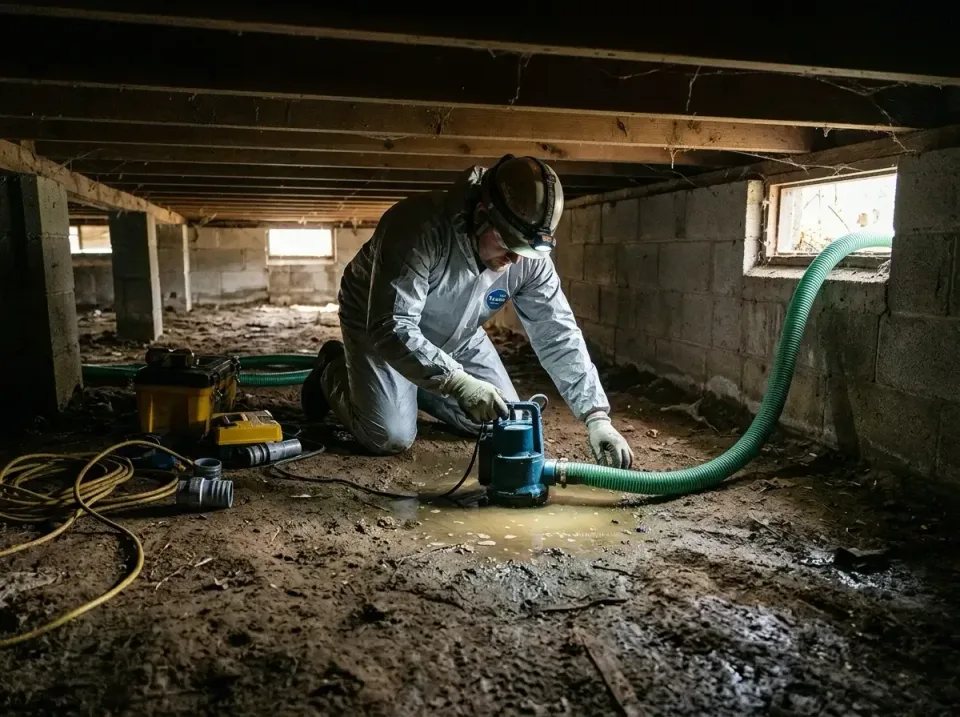
Crawl Space Water Removal
Covers crawl-space pumping, debris removal, and drying. Typical jobs run $1,000–$5,000, depending on access and water depth; our Houston crew uses a 500 PSI truck-mount extractor.
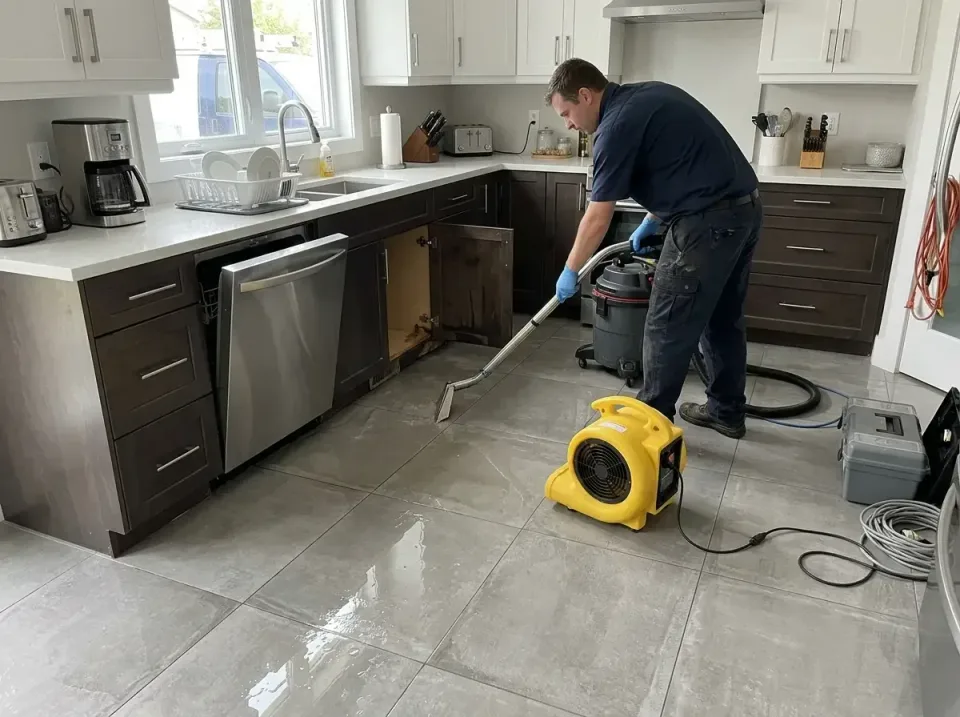
Appliance Leak Water Removal
We remove appliance water from kitchens, floors, and wall cavities, then dry materials. Typical jobs run $400–$1,200, based on square footage.
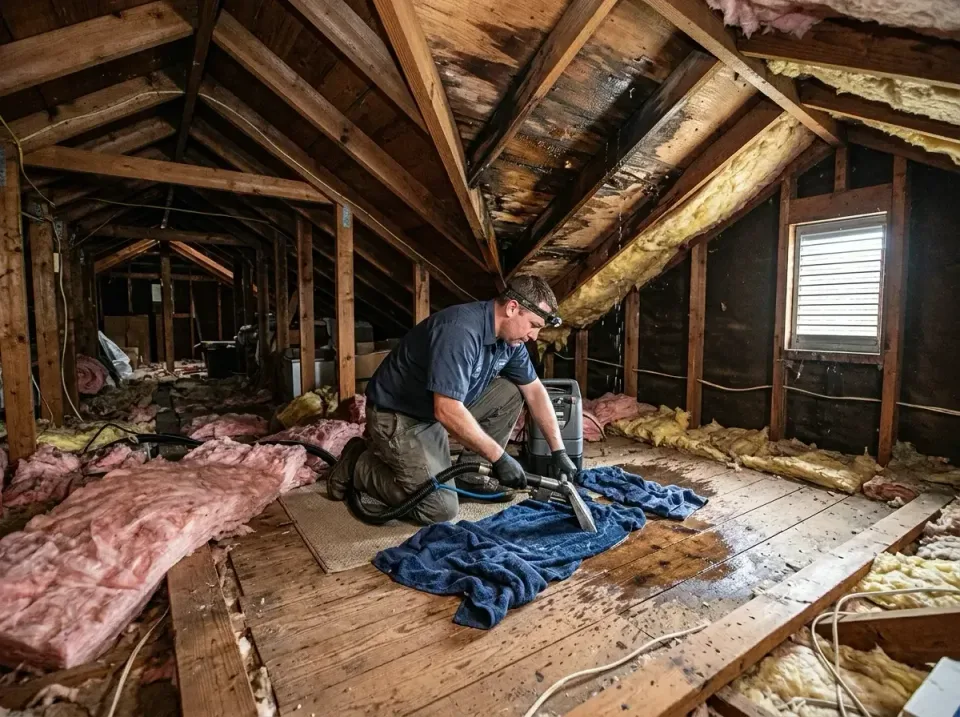
Slab Leak Water Removal
Slab leak drying uses a 500-PSI truck mount and 2,400-CFM air mover for concrete and subfloors. Typical jobs cost $1,500–$4,500, based on access.
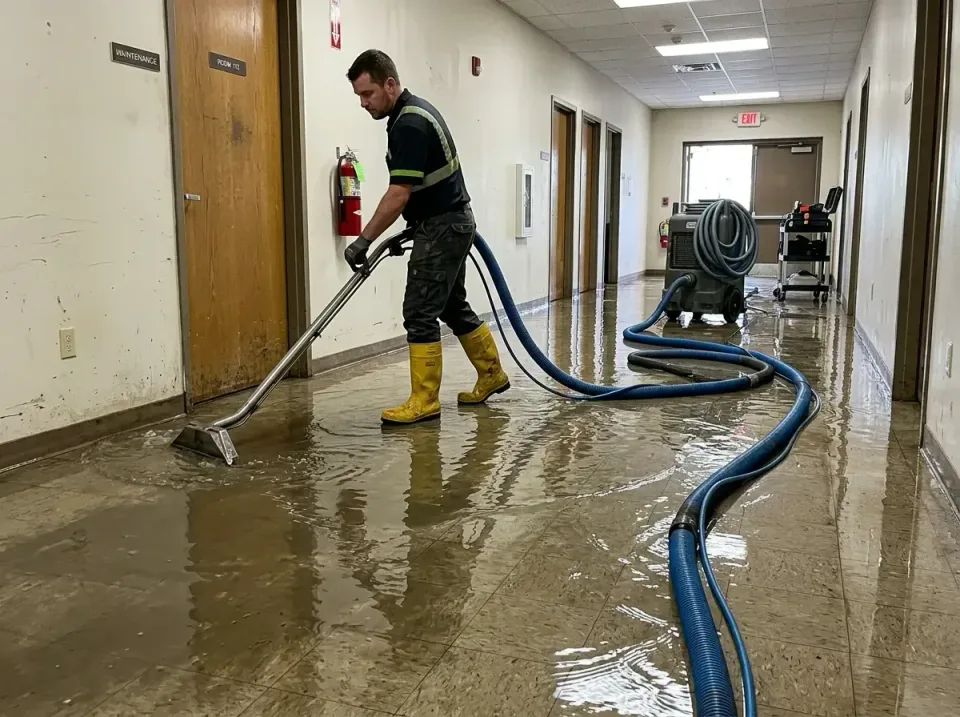
Standing Water Removal
We remove pooled water from homes and buildings using a 50–100 GPM trash pump, then dry with equipment handling 130–200 pints daily. Typical jobs run $500–$2,500 by access.
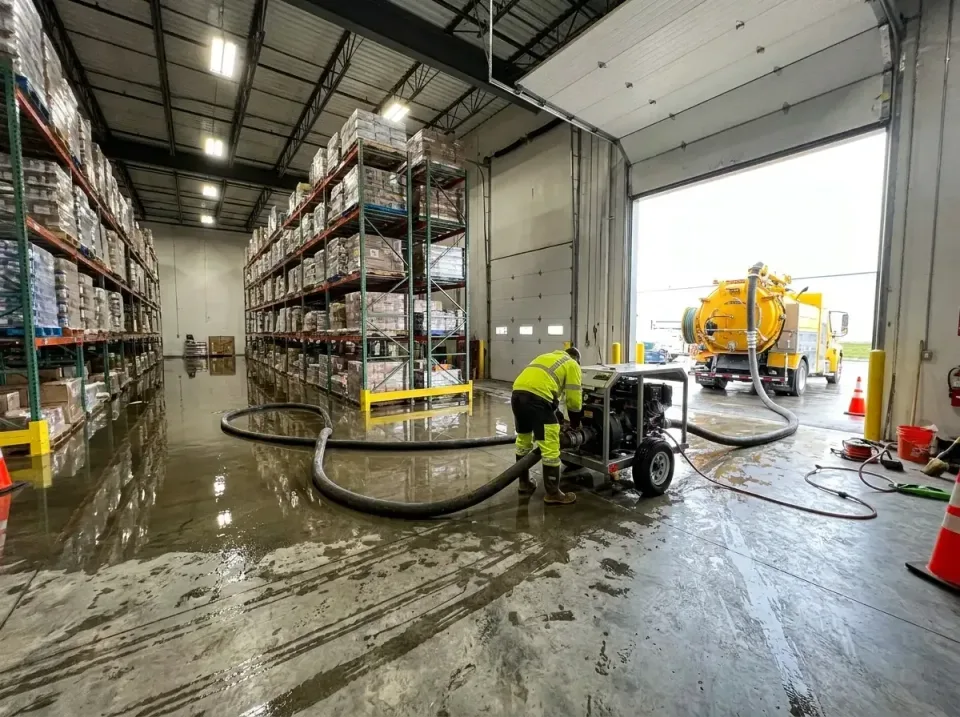
Warehouse Water Removal
Commercial warehouse extraction removes standing water from large concrete spaces using 500 PSI equipment; typical jobs run $5,000–$20,000 based on access and square footage.
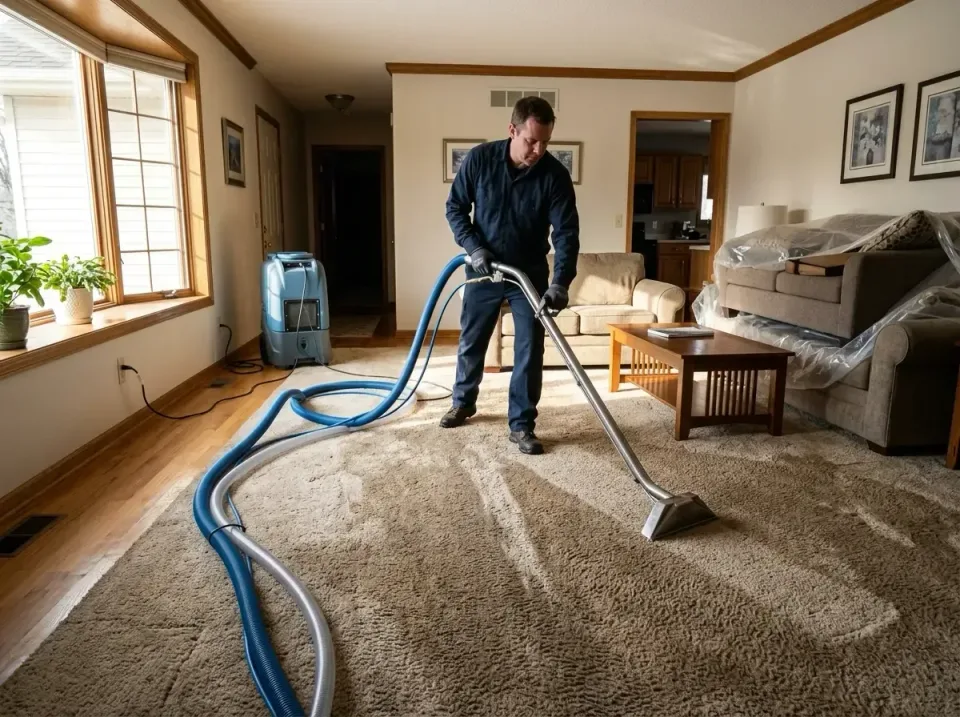
Carpet Water Extraction
Carpet extraction for homes, apartments, and contractors includes a 12-inch wand, trash pump, and HEPA filtration. Typical jobs run $250–$900 by room count.
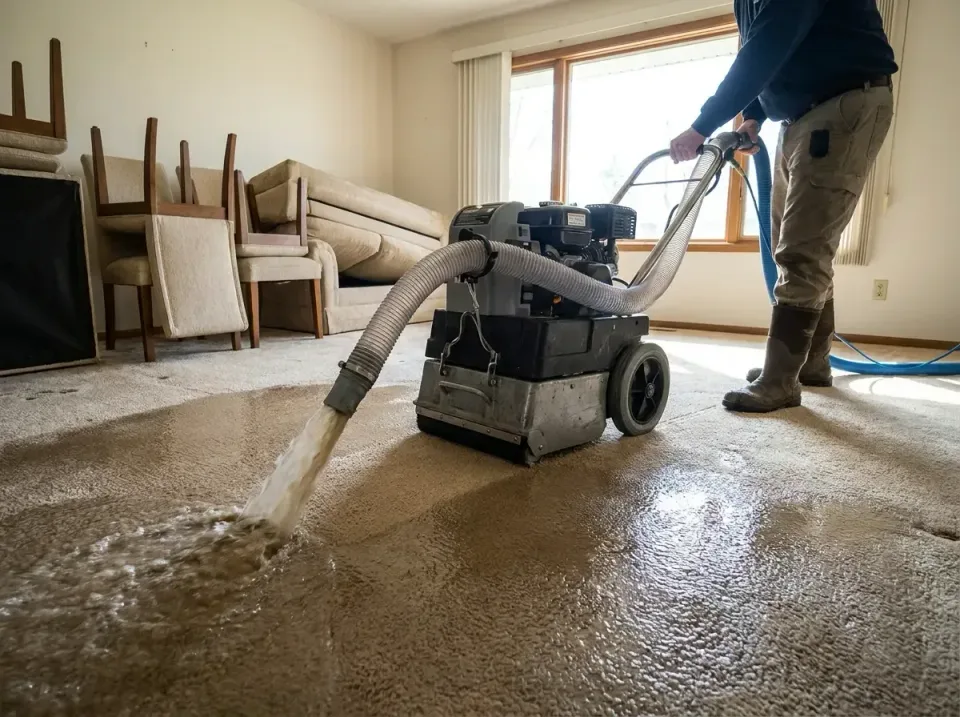
Water Heater Leak Extraction
We remove water from heater leaks, carpet, and slab edges using a 2-inch pump and 12-inch wand. Typical jobs run $500–$2,500, based on access.
25+
Years serving Houston
4.9★
From 7,654 reviews
25
Services offered
41
Areas served
Emergency Water Extraction & Drying FAQs in Houston, TX
Straight answers for customers in Houston on pricing, delivery, and scheduling.
Can Hurricane Flood Water Removal work around Houston HOA or insurance restrictions?
Yes, Hurricane Flood Water Removal can be coordinated around HOA access rules and NFIP flood insurance documentation needs. Provide gate instructions, photographs, and FEMA flood zone map details when available so Houston Water Damage Pros can scope access without delaying safe extraction.
What should I photograph before scheduling Hurricane Flood Water Removal?
Photograph waterlines, standing depth, damaged flooring, wall surfaces, contents, and the route to affected rooms before scheduling Hurricane Flood Water Removal. Note whether conditions appear Category 1 clean water, Category 2 gray water, or Category 3 black water, and share those details for a more accurate quote.
Does Hurricane Flood Water Removal require permits in Houston?
Hurricane Flood Water Removal itself may not require a building permit, but reconstruction, significant tear-out, or plumbing changes can involve City of Houston building permits. Our scope follows the ANSI/IICRC S500 water damage restoration standard, while Texas Occupations Code contractor licensing rules may apply to later repair work.
When should Hurricane Flood Water Removal be combined with structural drying?
Hurricane Flood Water Removal should be combined with Emergency Structural Drying when water reaches subfloors, wall cavities, crawl spaces, or framing. A thermal imaging scan and moisture mapping can show hidden migration, while an LGR dehumidifier and controlled air movement support the drying plan.
What completion result should I expect after Hurricane Flood Water Removal?
Completion means standing water is removed, affected materials are documented, and readings support the agreed dry standard rather than relying on touch alone. Houston Water Damage Pros can arrange follow-up mold inspection after drying, with wood commonly checked toward 8–12% moisture content and concrete toward under 4%.
Meet Your Local Experts
Daniel Morales Lead Expert
Houston Water Damage Pros
"Fast Extraction, Measured Drying, Houston Ready"
I started in Houston property maintenance and moved into water restoration after seeing how Hurricane Harvey and Brays Bayou flooding damaged homes and small businesses. I learned that psychrometry, moisture mapping, and a clear dry standard matter as much as fast extraction, especially in Houston's high humidity. After the winter freeze from Uri in 2021, I built this company around careful burst-pipe response, wall cavity drying, and respectful service for local property owners.
Get a Emergency Water Extraction & Drying Quote in Houston
Share job details below or call our team directly. Phone: (321) 361-4577
Areas We Serve Around Houston
Emergency Water Extraction & Drying available across Houston and nearby communities.