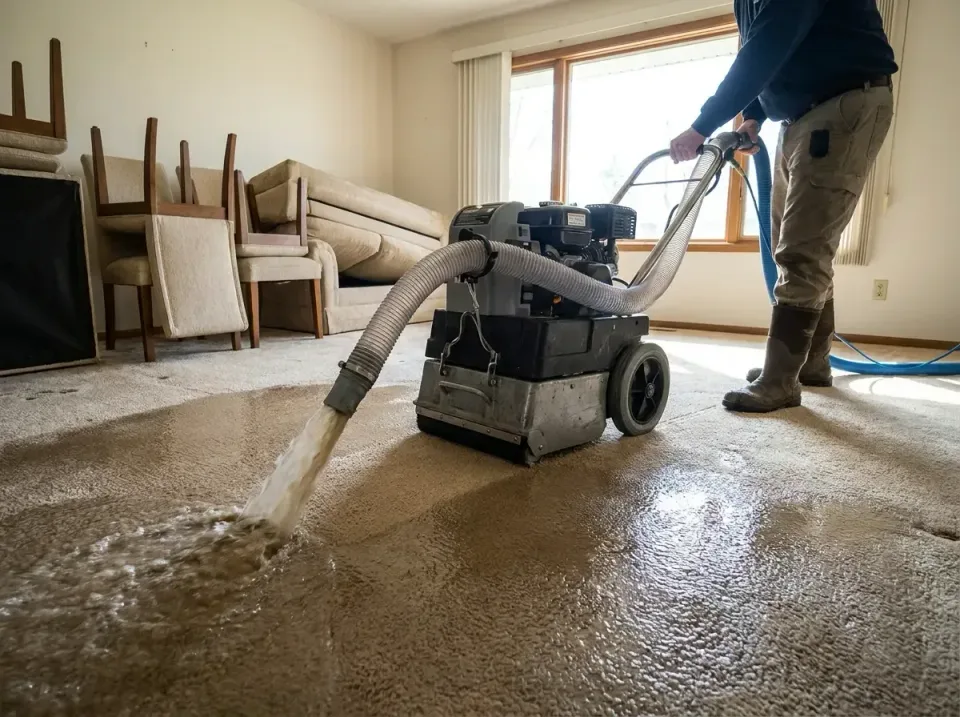
Emergency Water Extraction & Drying · Houston
Wall Cavity Drying in Houston, TX 77009
Water trapped behind drywall can leave insulation damp, wood swollen, and rooms smelling stale long after surface cleanup. Houston Water Damage Pros handles Class 4 specialty drying and coordinates sewage backup cleanup prices Houston customers can understand before work begins.
- 4.9 from 7,654 reviews
- 24/7 emergency line
- Serving since 2001
- IICRC Water Restoration Technician (WRT) training
- IICRC Applied Structural Drying (ASD) training
What Signals Wet Wall Cavities?
A musty odor after a pipe burst may come from insulation or framing that surface fans cannot reach. Houston’s high humidity can support mold growth within 24–48 hours.
-
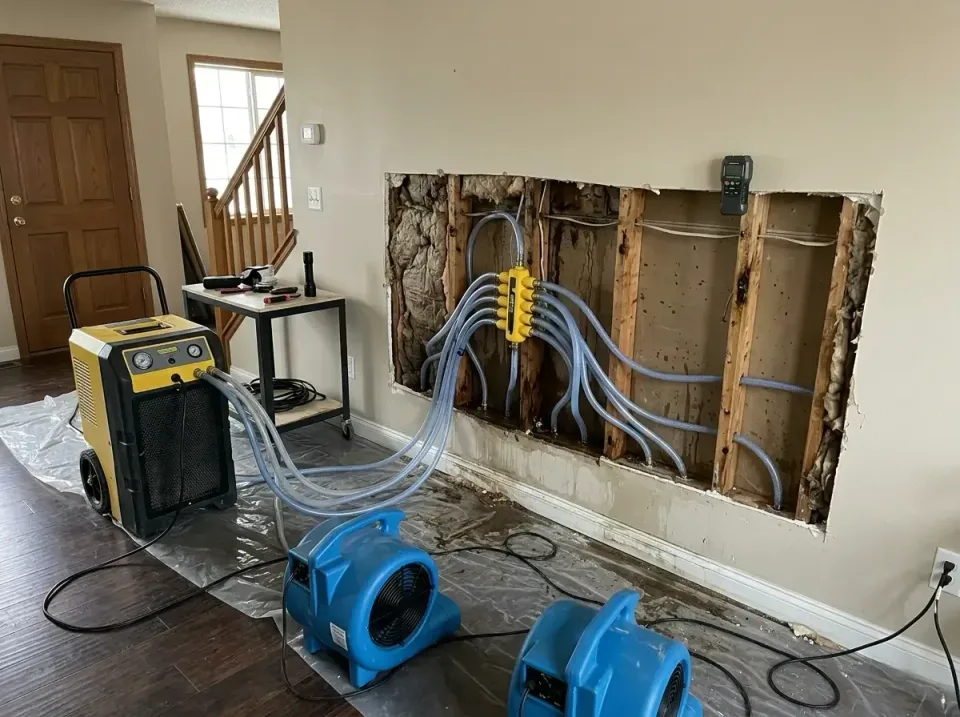
Wet drywall and bubbling paint: Trapped water weakens gypsum and spreads along studs. Houston Water Damage Pros uses an Injectidry HP60 system and moisture mapping to locate wet sections.
-
Soggy carpet that will not dry: Moisture may have migrated into the wall base and subfloor. Our team checks the edge with a thermal imaging scan before coordinating carpet extraction.
-
Persistent odor near a repaired leak: A dry-looking wall can retain hygroscopic materials and bound water. We compare readings against a documented dry standard.
-
Darkened trim beside floodwater: Category 2 gray water or Category 3 black water requires controlled access and proper containment. The ANSI/IICRC S500 water standard guides our documentation.
If bubbling paint, lingering odor, or damp trim remains, contact our crew before secondary damage spreads near Buffalo Bayou Park.
What Happens During Cavity Drying?
Our first operational step is a phone assessment covering the leak source, affected rooms, wall construction, and safe equipment access.
-
Document the wall: We record moisture readings, photograph affected areas, and identify Category 1, Category 2, or Category 3 water. Customers near Montrose receive clear scope notes before placement.
-
Set airflow: We install the Injectidry wall-cavity drying system through small access points when appropriate. Dedicated circuits support equipment, and our team completes a daily amp-draw check.
-
Monitor conditions: Daily readings track psychrometry, vapor movement, and cavity progress. Drying often takes 3–5 days, depending on insulation, framing, and Houston humidity.
-
Confirm completion: We compare materials with the agreed dry standard and explain repairs. If drywall removal is needed, we coordinate the next trade without hiding the scope.
HOA after-hours building access can affect arrival and setup, so share gate codes, parking rules, and elevator instructions before scheduling.
Why Hire Pros for Cavity Drying?
A shop fan may dry paint while insulation stays wet behind the wall, especially during Houston’s hot, humid season. At healthcare clinics near the Texas Medical Center, our team also plans around occupants, access, and air quality.
- Permit awareness: We review whether drywall removal or reconstruction may involve City of Houston building permits, rather than opening walls without documentation.
- Correct equipment: Injectidry airflow reaches cavities that surface air movers miss, while moisture mapping helps right-size the setup and avoid needless rental days.
- Cleaner compliance: The American Industrial Hygiene Association and Indoor Air Quality Association emphasize controlled moisture and indoor-air practices; we use containment when conditions call for it.
- Clear value: Texas Department of Insurance claim records benefit from dated readings, photos, and itemized scope. We explain what is drying, what may require repair, and what affects the quote.
Houston Water Damage Pros also works with healthcare clinics where quiet equipment and careful occupant separation matter. Our team can review the wall assembly and connect related flood cleanup work without forcing unnecessary demolition.
What Should You Prepare Before Drying?
If a wall feels cool after a leak, photograph the area before moving furniture or removing trim. Note the leak date, water source, affected wall length, flooring type, and any previous repairs.
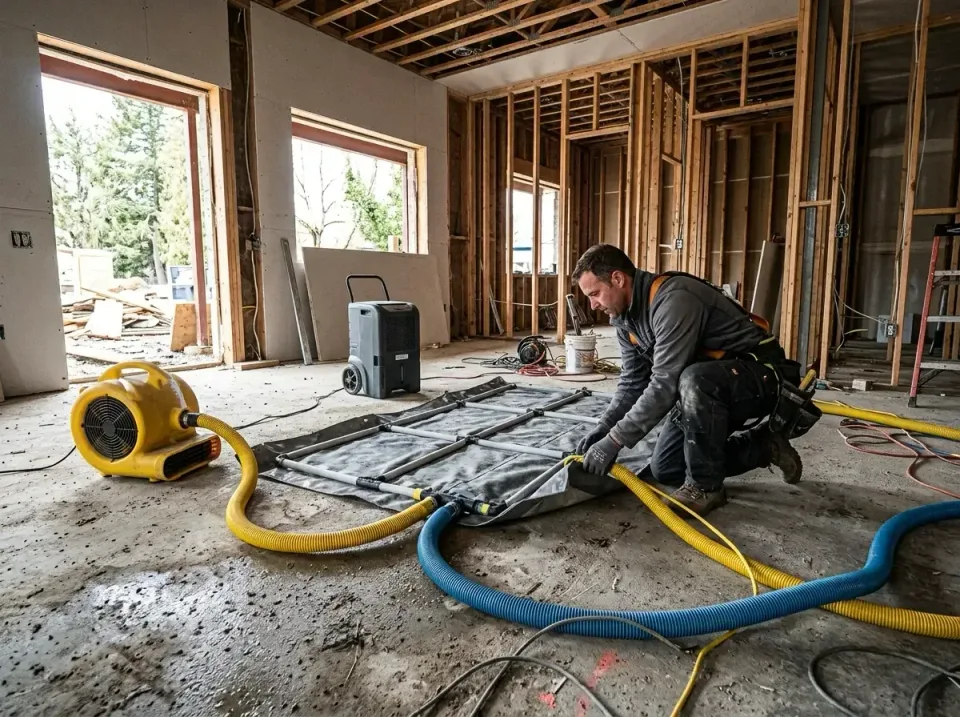
Clear a path at least 36 inches wide and identify outlets, shutoffs, pets, alarms, and building contacts. Our crew may need a dedicated 115V, 15-amp circuit for an LGR dehumidifier and safe access to the wall base.
Share insurance information and HOA rules before scheduling an emergency drying service Houston property managers can document. A psychrometric drying chart helps us explain how temperature and humidity affect the quote.
The IICRC S500 water damage restoration standard supports documenting source, category, materials, and drying goals. If sewage is involved, TCEQ sewage pump-out disposal rules matter for handling and discharge.
Houston Water Damage Pros can review photos and access details at (321) 361-4577, then prepare a scope matched to the cavity and related subfloor drying needs.
What Does Cavity Drying Include?
After a storm near Discovery Green, wall moisture may connect with flooring, insulation, or framing. Our team pairs cavity work with related services when readings show water migration.
- Burst Pipe Wall Drying: We dry stud bays and insulation after a supply-line failure, using air movers and controlled extraction for affected edges.
- Sewage-Impacted Cavity Drying: Category 3 conditions receive containment and restricted access, with disposal planning before contaminated materials are removed.
- Roof Leak Wall Drying: We trace ceiling and wall migration after roof water enters, then coordinate repairs once the cavity reaches its dry standard.
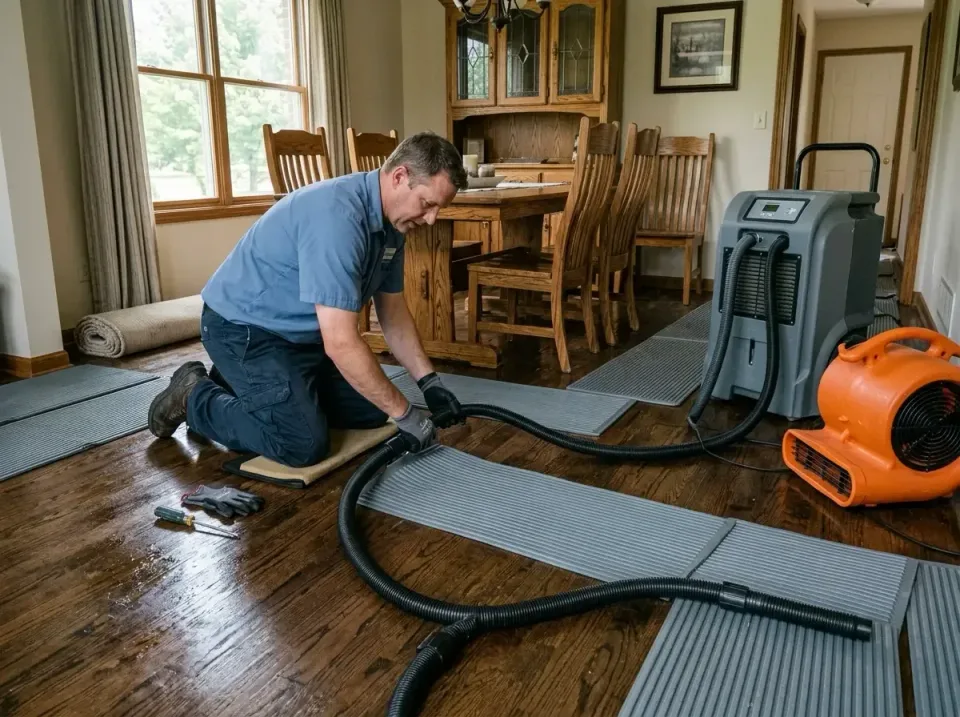
- Subfloor And Wall Drying: Moisture can move from wall plates into flooring, so we pair cavity checks with subfloor drying when readings require it.
- Commercial Wall Cavity Drying: Office buildings, restaurants, and warehouses receive equipment placement that respects corridors, occupants, and operating schedules.
Heat plus wet drywall slows drying, so air movers must support dehumidification rather than simply push damp air around. The ANSI/IICRC S520 mold standard informs follow-up decisions when microbial concerns remain.
How Much Does Cavity Drying Cost?
A small wall opening can require more work than a larger visible spill when insulation, framing, or access points hold moisture. Houston pricing reflects water category, cavity depth, square footage, and repair needs.
- Single-room cavity drying: $500–$1,500 wall length, insulation, access, and monitoring days move the range.
- Burst-pipe multi-room drying: $1,500–$4,000 water category, affected walls, flooring, and equipment volume affect the scope.
- Sewage-impacted cavity work: $4,000–$15,000 contamination class, containment, demolition, and disposal drive the total.
- Commercial cavity drying: $5,000–$20,000 after-hours access, occupied areas, corridor protection, and documentation affect pricing.
These are planning ranges, not promises. Estimates vary; final quotes depend on water category, square footage, and site conditions.
For a quote tied to actual moisture readings, contact Houston Water Damage Pros at (321) 361-4577. Our team can also coordinate emergency structural drying after storm water reaches wall assemblies near Memorial Park.
Ready to get started?
Our line is open 24/7 in Houston.
Featured Work & Projects
Browse our recent jobs and quality workmanship for customers across Houston.
Industrial Dehumidifier — Residential Interior
Air Mover — Construction Site
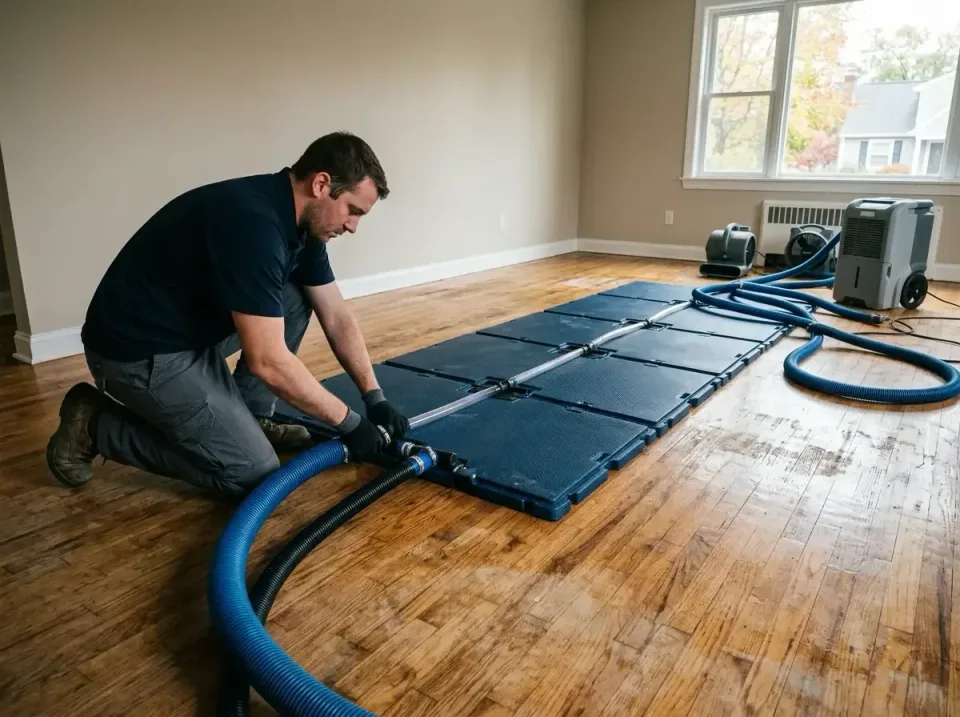
Restoration Technician — Residential Interior
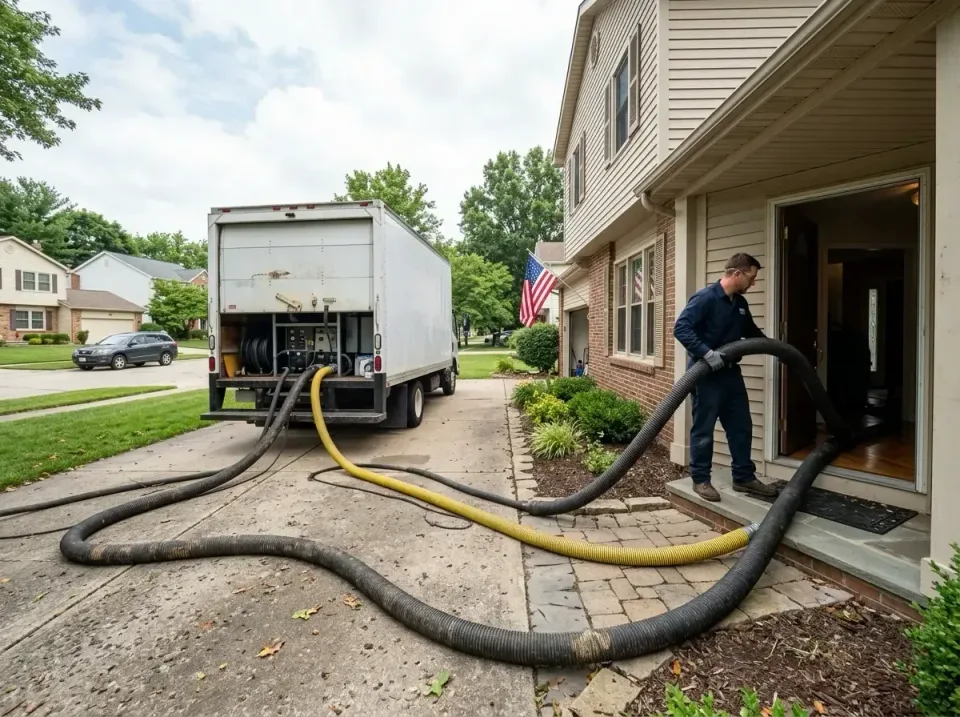
Box Truck — Residential Driveway
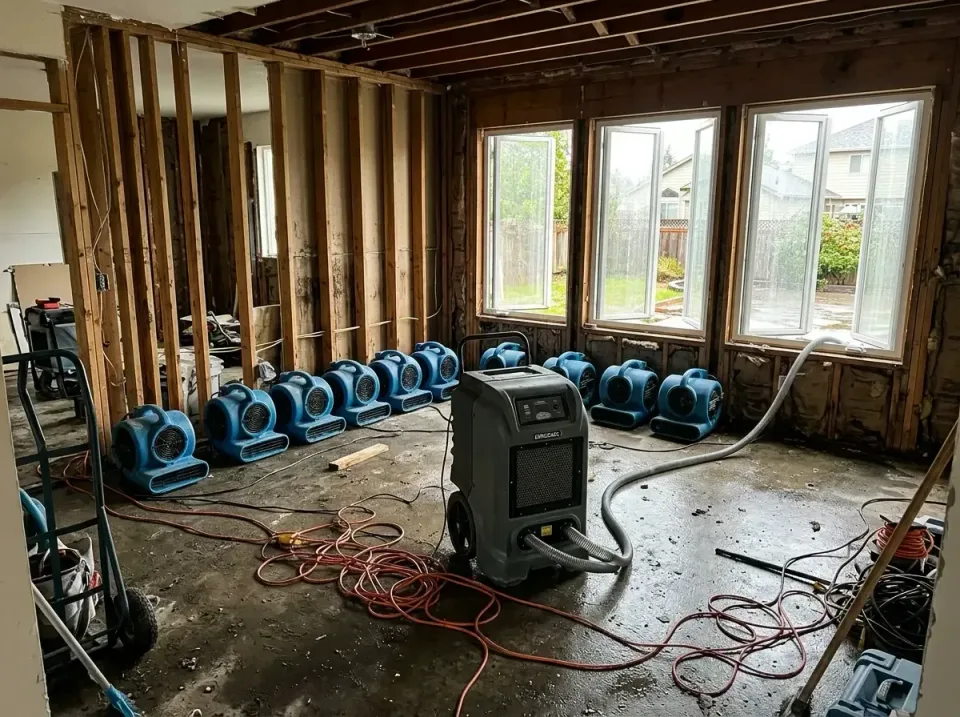
Industrial Dehumidifier — Water Damage Restoration
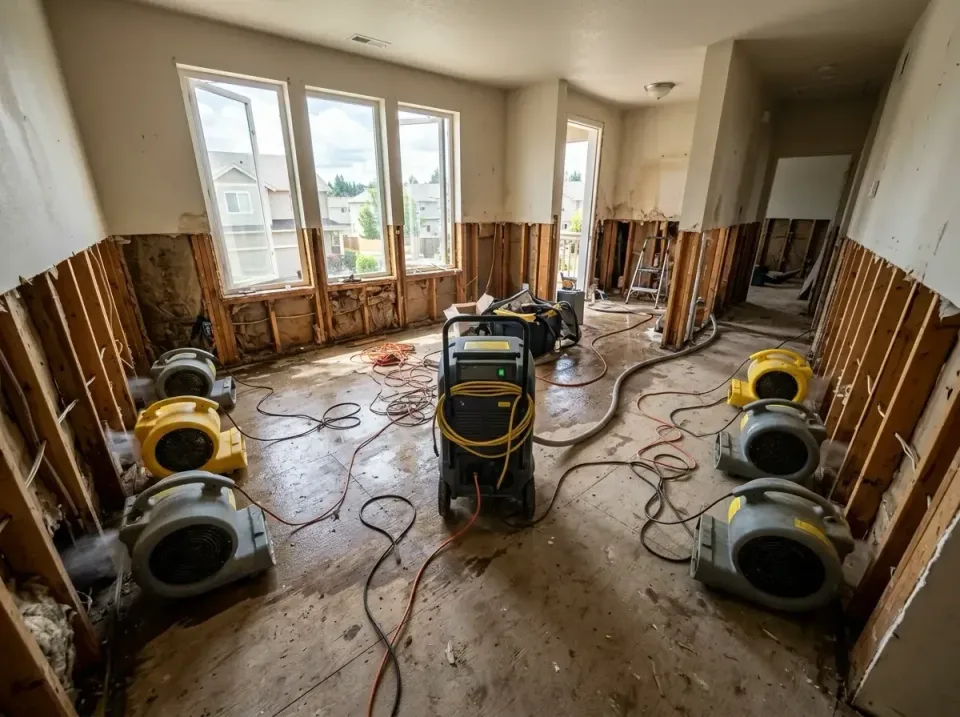
Industrial Dehumidifier — Water Damage Restoration
Services We Offer in Houston
25 services for homes and businesses in Houston. Pick one to see what the job involves.
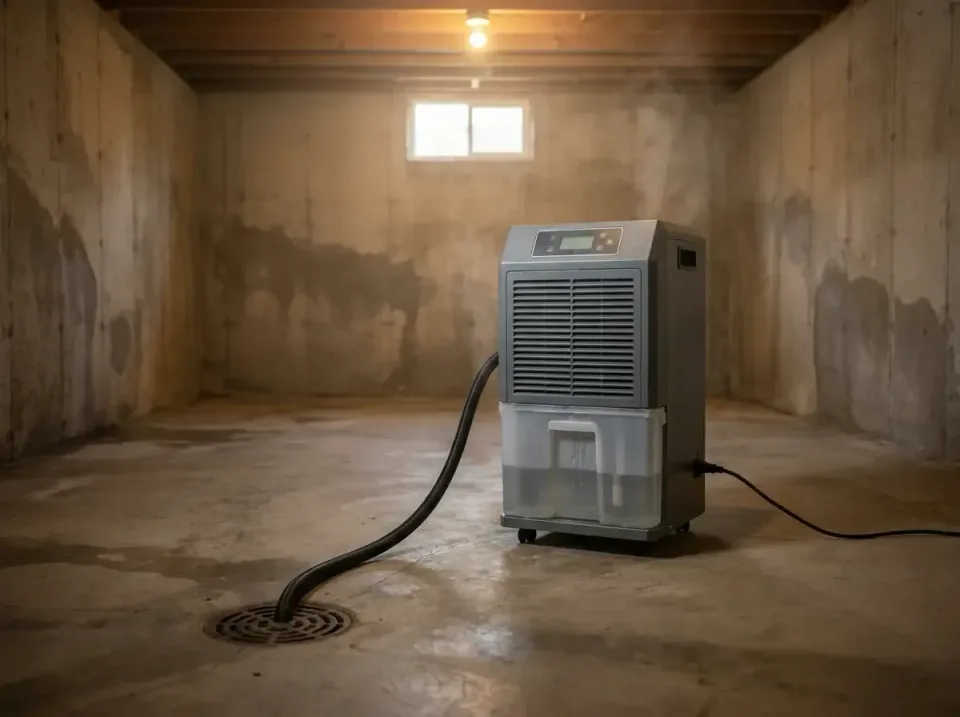
Wall Cavity Drying
Wall cavity drying for homes and contractors uses moisture readings, Injectidry airflow, and concrete checks; typical jobs run $500–$2,500 based on access.
Hardwood Floor Drying
Hardwood drying for leak-damaged floors, including a 2,400 CFM air mover setup. Typical jobs run $500–$2,000, based on access and affected square footage.
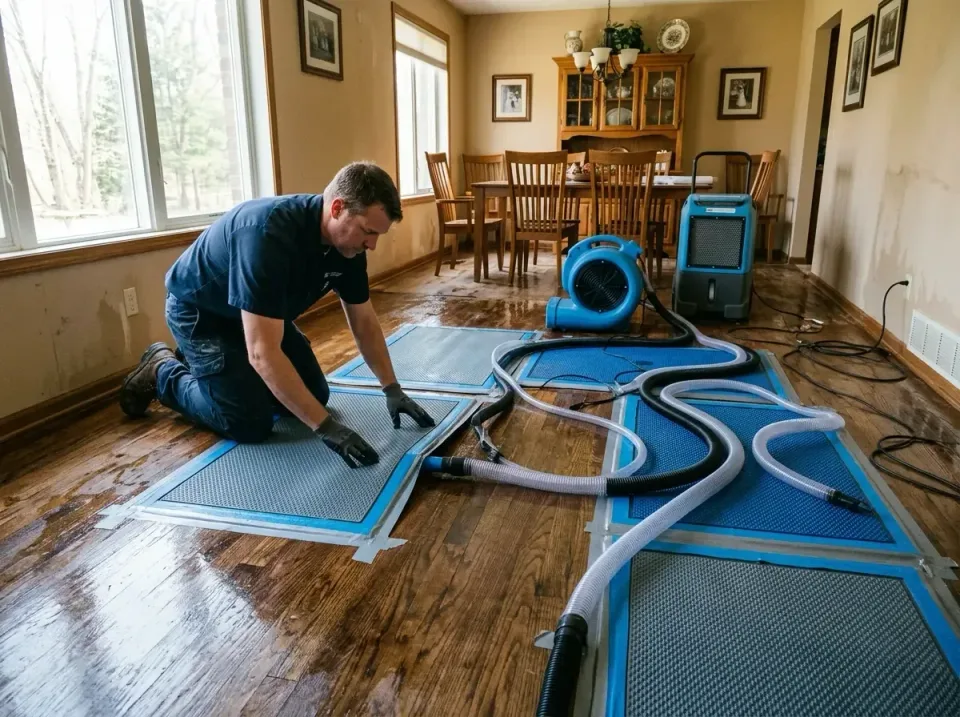
Post-Flood Drying
Post-Flood Drying clears moisture from homes and commercial spaces, including crawl spaces and soaked framing. Typical jobs cost $3,000–$10,000, depending on access and standing depth.
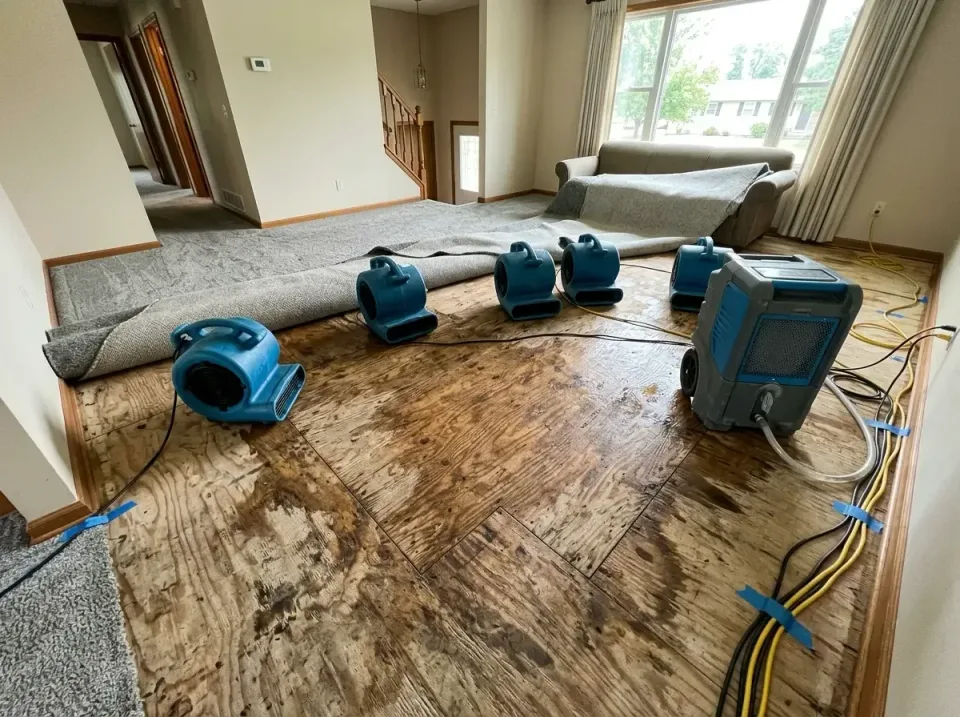
Subfloor Drying
Subfloor drying covers wet plywood, joists, and crawl spaces, including 18-inch access areas. Typical jobs run $1,000–$4,000, based on moisture spread and equipment days.
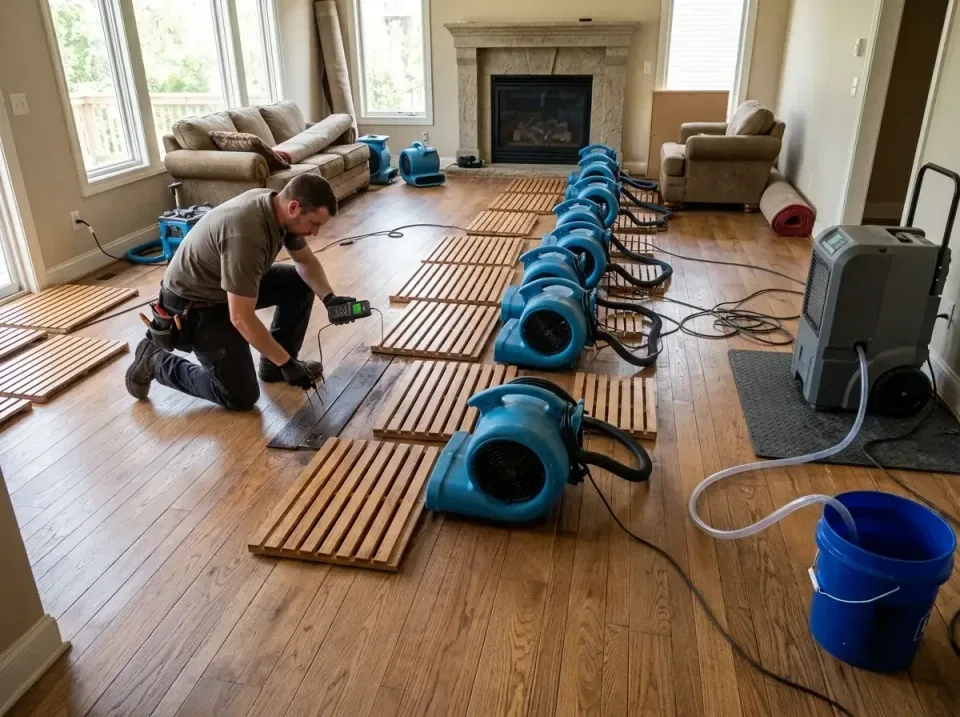
Emergency Structural Drying
Structural drying covers crawl spaces, wall cavities, and soaked framing. Typical jobs run $500–$2,500, based on access, equipment days, and damage scope.
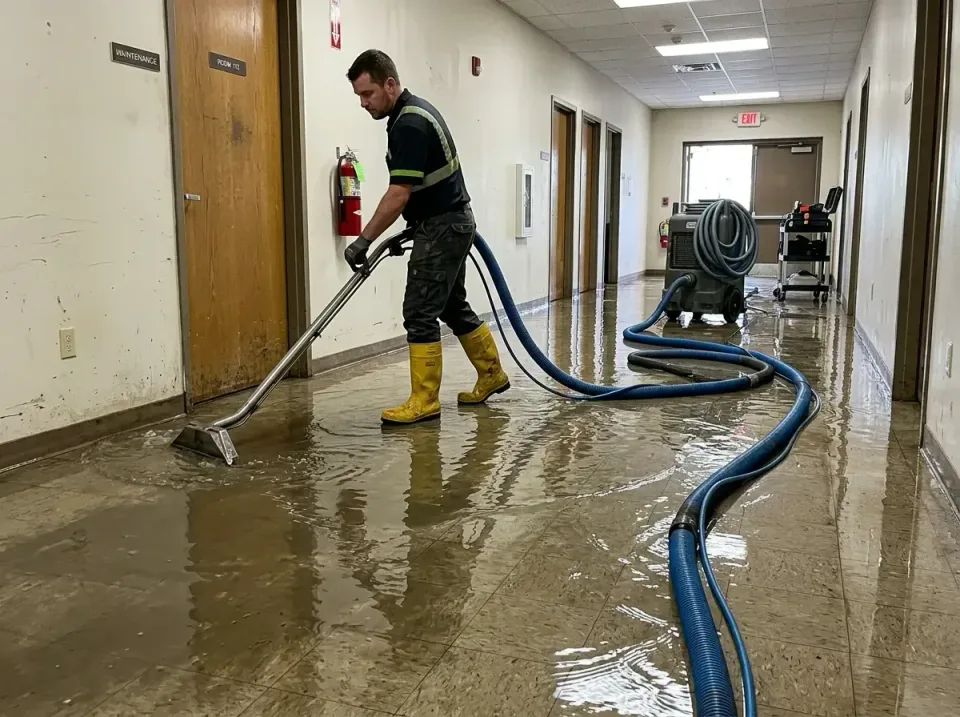
Standing Water Removal
We remove pooled water from homes and buildings using a 50–100 GPM trash pump, then dry with equipment handling 130–200 pints daily. Typical jobs run $500–$2,500 by access.
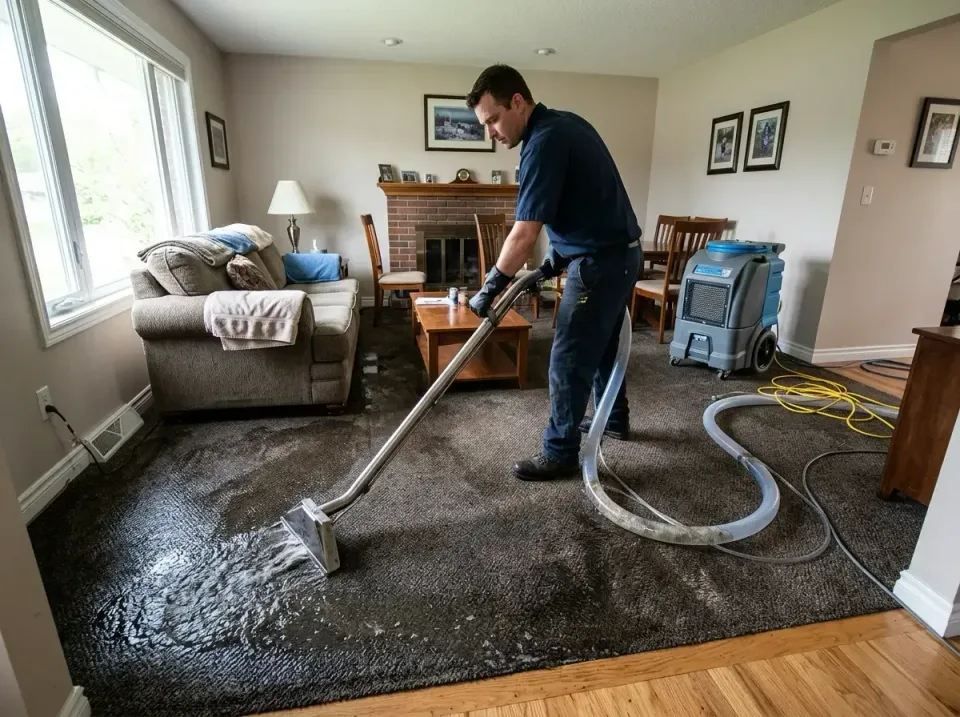
Carpet Water Extraction
Carpet extraction for homes, apartments, and contractors includes a 12-inch wand, trash pump, and HEPA filtration. Typical jobs run $250–$900 by room count.
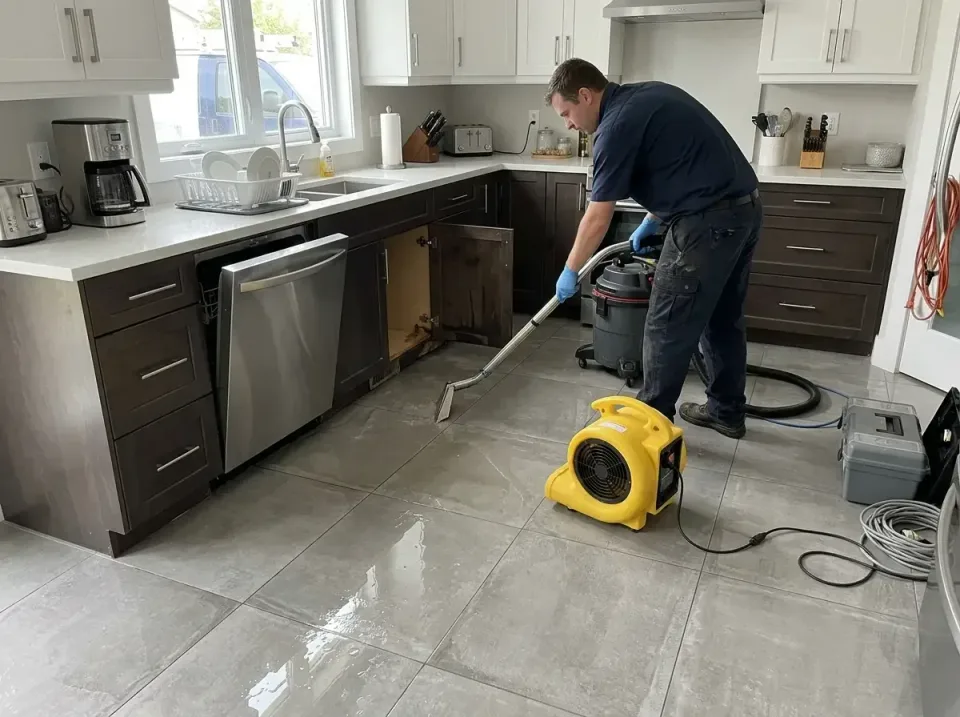
Appliance Leak Water Removal
We remove appliance water from kitchens, floors, and wall cavities, then dry materials. Typical jobs run $400–$1,200, based on square footage.
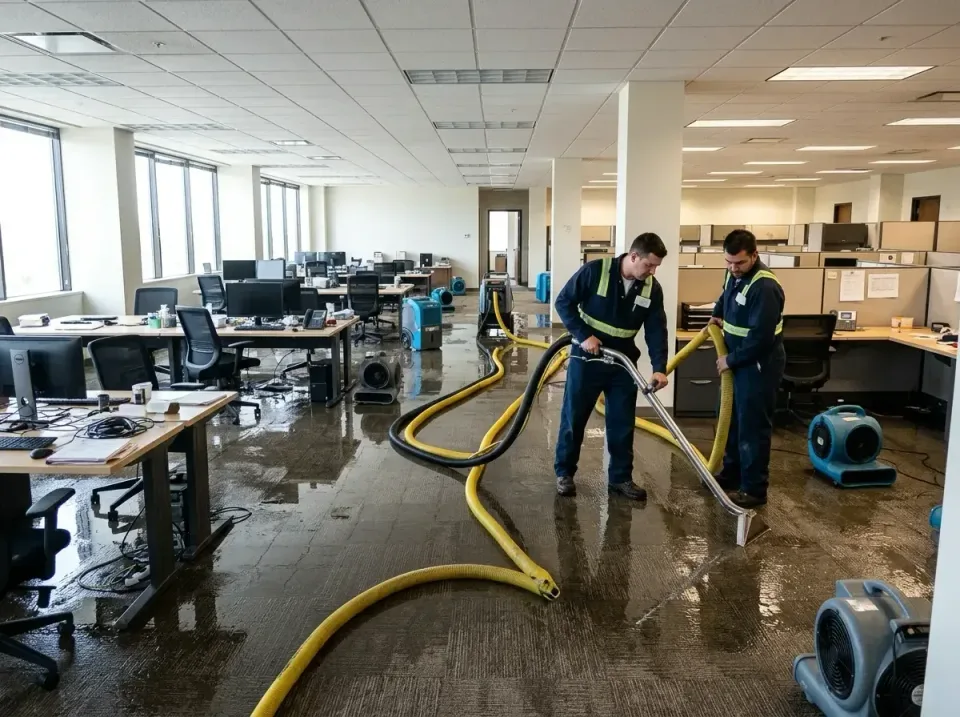
Office Building Water Extraction
Office extraction covers carpet, walls, and slab moisture; commercial jobs often run $5,000–$20,000, shaped by after-hours access.
25+
Years serving Houston
4.9★
From 7,654 reviews
25
Services offered
41
Areas served
Emergency Water Extraction & Drying FAQs in Houston, TX
Straight answers for customers in Houston on pricing, delivery, and scheduling.
Can HOA rules delay Wall Cavity Drying after a pipe burst?
Yes, HOA after-hours building access, elevator rules, and shared-wall permissions can affect Wall Cavity Drying setup after a pipe burst. Houston Water Damage Pros can document the affected area, request access details, and coordinate equipment placement before a musty odor worsens.
What should I send before scheduling Wall Cavity Drying?
Send photos of bubbling paint, wall length, flooring edges, the leak source, and any visible openings before scheduling Wall Cavity Drying. Include parking, gate, pet, outlet, and HOA information so our team can prepare moisture mapping and equipment access.
Does Wall Cavity Drying need a permit in Houston?
Wall Cavity Drying itself may not require a permit, but drywall removal, structural repair, or reconstruction can involve City of Houston building permits and applicable IRC moisture-control provisions. Our team follows the IICRC S500 water damage restoration standard and separates drying documentation from repair work.
Should Wall Cavity Drying be combined with Emergency Water Extraction & Drying?
Yes, Wall Cavity Drying should be combined with Emergency Water Extraction & Drying when standing water, wet flooring, or a burst pipe has saturated connected assemblies. We may pair cavity airflow with subfloor drying, carpet extraction, or Category 3 water extraction after classifying the source.
What proves Wall Cavity Drying is complete?
Completion means documented moisture readings reach an agreed dry standard across drywall edges, insulation, framing, and adjacent materials, rather than relying on touch alone. Houston Water Damage Pros can provide daily logs, explain follow-up mold inspection needs, and coordinate structural reconstruction when repairs remain.
Meet Your Local Experts
Daniel Morales Lead Expert
Houston Water Damage Pros
"Fast Extraction, Measured Drying, Houston Ready"
I started in Houston property maintenance and moved into water restoration after seeing how Hurricane Harvey and Brays Bayou flooding damaged homes and small businesses. I learned that psychrometry, moisture mapping, and a clear dry standard matter as much as fast extraction, especially in Houston's high humidity. After the winter freeze from Uri in 2021, I built this company around careful burst-pipe response, wall cavity drying, and respectful service for local property owners.
Get a Emergency Water Extraction & Drying Quote in Houston
Share job details below or call our team directly. Phone: (321) 361-4577
Areas We Serve Around Houston
Emergency Water Extraction & Drying available across Houston and nearby communities.